| Cruise Region : Mediterranean Sea, Northern Europe, Europe |
| Company : Royal Caribbean International |
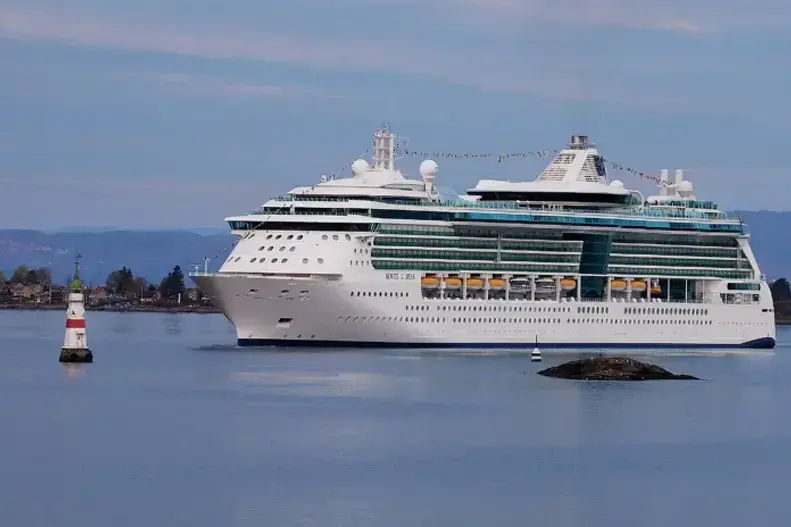
| Ship : Jewel of the Seas |
| Journey Start : Sun 23 Jul 2028 |
| Journey End : Tue 01 Aug 2028 |
| Count Nights : 9 nights |
| Day | Date | Port | Arrival | Departure |
|---|---|---|---|---|
| 1 | 23.07 Sun | Copenhagen / Denmark | 16:00 | |
| 2 | 24.07 Mon | Berlin / Germany | 08:00 | 22:00 |
| 3 | 25.07 Tue | Ronne / Denmark | 08:00 | 18:00 |
| 4 | 26.07 Wed | Day at sea / Sea | 08:00 | 17:00 |
| 5 | 27.07 Thu | Tallinn / Estonia | 08:00 | 19:00 |
| 6 | 28.07 Fri | Helsinki / Finland | 07:00 | 15:30 |
| 7 | 29.07 Sat | Stockholm / Sweden | 07:05 | 18:10 |
| 8 | 30.07 Sun | Day at sea / Sea | ||
| 9 | 31.07 Mon | Aarhus / Denmark | 08:00 | 18:00 |
| 10 | 1.08 Tue | Copenhagen / Denmark | 06:00 |
Accommodation in a cabin of the selected category;
All-inclusive meals (except for alternative restaurants);
non-ferrous drinks: water, tea, coffee at self-service points on the ship;
cultural program on board: evening shows, theater, live music, etc.;
visiting nightclubs and discos;
active entertainment on board;
visiting the library;
participation of children in children's clubs;
visiting swimming pools and jacuzzi;
gym and sports court;
steward services and cabin cleaning;
port fees and taxes.
Additionally paid: airfare; transfers; visas along the route; hotel before and after the cruise (if necessary); tips for staff; alternative restaurants; alcoholic and some non-alcoholic drinks; Internet on board; casino; laundry / dry cleaning services; beauty salon, SPA center; excursions in ports (optional).
The tip amount depends on the selected cabin category: Inside cabin/window/balcony/Junior suite – $18.50 /person/night Suites (except Junior suite) – $21.00 /person/night
Deluxe Beverage Package
If you want to drink several alcoholic drinks a day during the cruise, then the right option is to purchase this package.
The package includes:
- cocktails, spirits, liqueurs;
- beer;
- wine (by the glass);
- non-alcoholic cocktails;
- premium coffee and tea;
- fountain carbonated drinks / Coca-Cola Freestyle drinks;
- souvenir Coca-Cola cup included;
- bottled still and sparkling water;
- freshly squeezed juices.
Package price:
The price of the Deluxe package varies from ship to ship and is subject to change.
Additionally, when ordering a package, you will receive a -40% discount on bottled wines up to $100 and -20% on bottled wines over $100.
The price on board is currently $93/day.
Royal Refreshment
If alcohol is not your thing, or you are not old enough to drink it, then Refreshment is for you. It is ideal for cocktail lovers.
The package includes:
- non-alcoholic cocktails;
- carbonated soft drinks;
- souvenir Coca-Cola cup and Coca-Cola Freestyle drinks;
- sparkling and still bottled water;
- premium coffee and tea
- freshly squeezed juices
Package price:
The price of the Refreshment package varies from ship to ship and is subject to change.
The price on board is currently $36/day.
Classic Soda Package
Classic Soda Package. Enjoy cool sodas throughout the cruise ship.
Package includes:
- Coca-Cola Freestyle drinks;
- Fountain Soda and refills anywhere;
- Souvenir Coca-Cola cup included.
Package Price:
Soda package prices vary from ship to ship and are subject to change.
Onboard prices are currently starting at $13/day.
Water Bottle Package
Stay hydrated while cruising with Evian Natural Spring Water, a bottle of fresh water from the French Alps.
Package includes:
Evian Natural Spring Water (1L bottles) delivered to your cabin on boarding day (12 or 24 bottles).
Package Price:
Water Package Price - $20
In addition to beverage packages, guests can book a COFFE CARD, which gives access to 15 select varieties of coffee, tea, premium class and hot chocolate. When purchasing this card, you will save 50%. The cost of the card is $31.
Additional information on Royal Caribbean beverage packages
- Beverage packages are available for purchase on board the ship throughout the cruise, as well as in advance of departure.
- When purchasing a Deluxe Beverage Package for one guest, the same package must be added to all adult guests in the cabin.
- Non-alcoholic beverage packages may be purchased by individual guests, but are not transferable.
- Package prices listed reflect the daily cost per person and do not include an 18% gratuity, which will be added to the cost.
- Packages do not include beverages sold in gift shops, minibars or during cabin service.
- You must be at least 21 years of age to purchase and consume alcoholic beverages on Royal Caribbean ships.
Depending on the cruise date, a payment is required to confirm the cabin. After the prepayment is made, the manager confirms the application in the cruise system and notifies you by e-mail.
Cruise Duration Deposit (prepayment)
1-5 nights $100/person
6-9 nights $250/person
10 and more nights $450/person
Full payment
60 days before the cruise
Full payment (cruises from December 24-31)
90 days before the cruise
Standard Penalties for Royal Caribbean Intl. Cruises
Cancelation Period Cancellation Policy
1-5 Nights 6 Nights or More
90-61 Days Prior to Arrival $35/person $70/person
60-46 Days Prior to Arrival In the Amount of Deposit
45-31 Days Prior to Arrival 25% of the Full Cruise Cost, but no less than the Deposit
30-15 Days Prior to Arrival 50% of the Full Cruise Cost, but no less than the Deposit
14 Days Prior to Arrival/No-Show for Boarding 100% of the Cruise Cost
Penalties for Royal Caribbean Intl. New Year's Cruises (December 24-31)
Period in which the cancellation took place Cancellation conditions
1-5 nights 6 or more nights
90-61 days before arrival In the amount of the deposit
60-46 days before arrival 25% of the full cost of the cruise, but not less than the deposit amount
50% of the full cost of the cruise, but not less than the deposit amount
45-31 days before arrival 50% of the full cost of the cruise, but not less than the deposit amount
30-15 days before arrival 75% of the full cost of the cruise, but not less than the deposit amount
14 days before arrival/no show for boarding 100% of the cost of the cruise
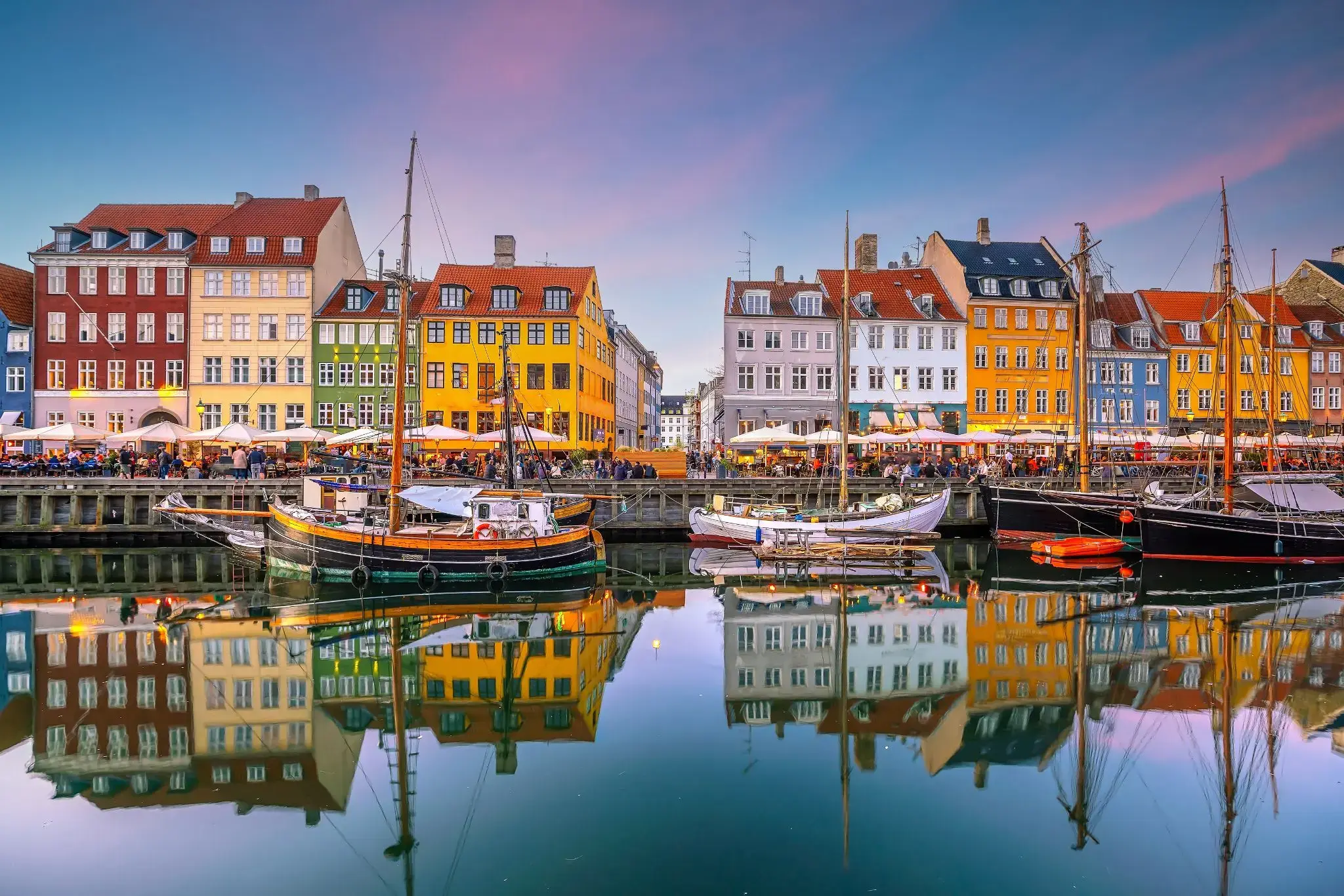
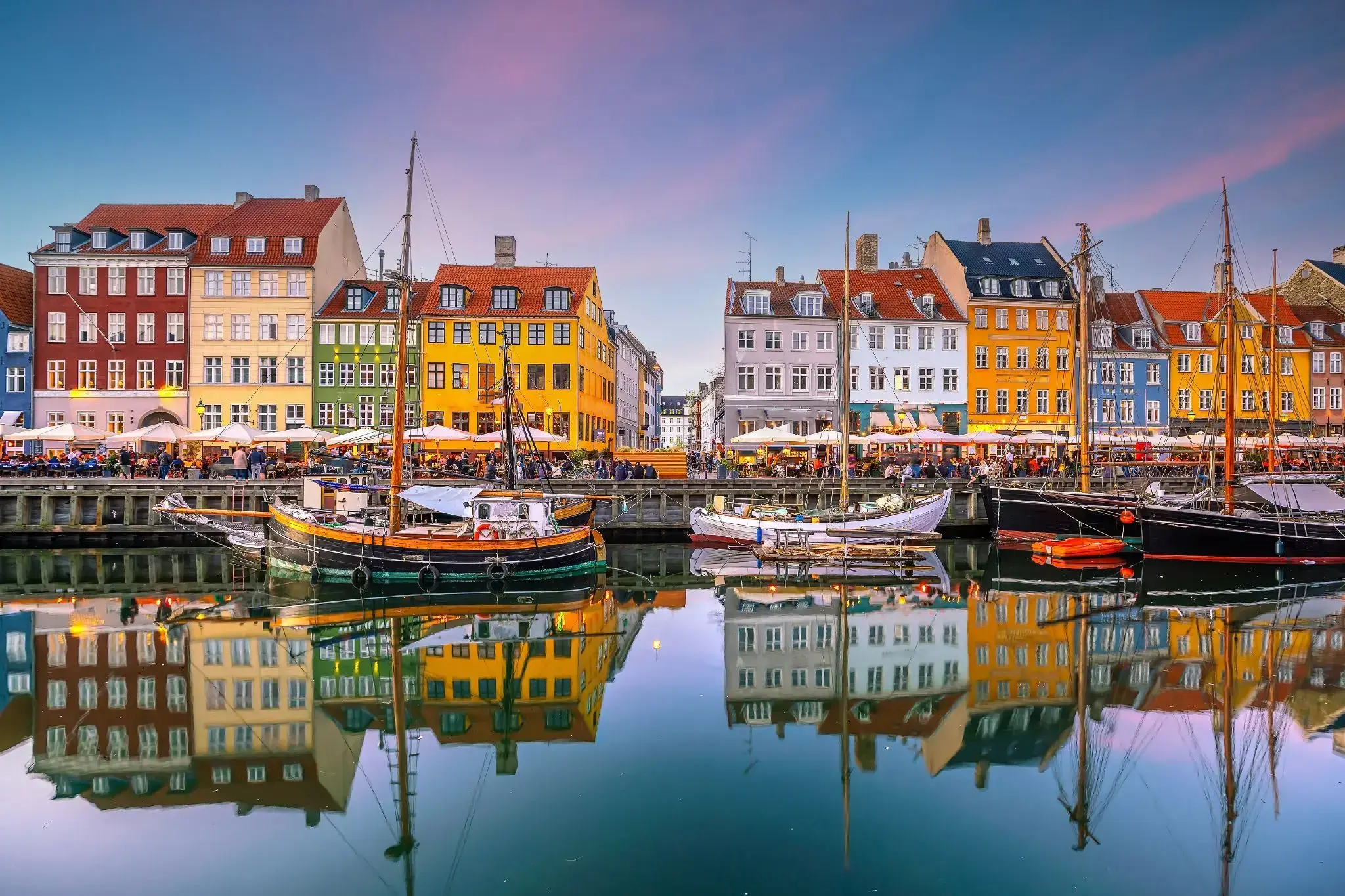
the capital and chief port of Denmark, a city that occupies the eastern part of Zealand and northern part of the island of Amager; population 518,574 (2009).
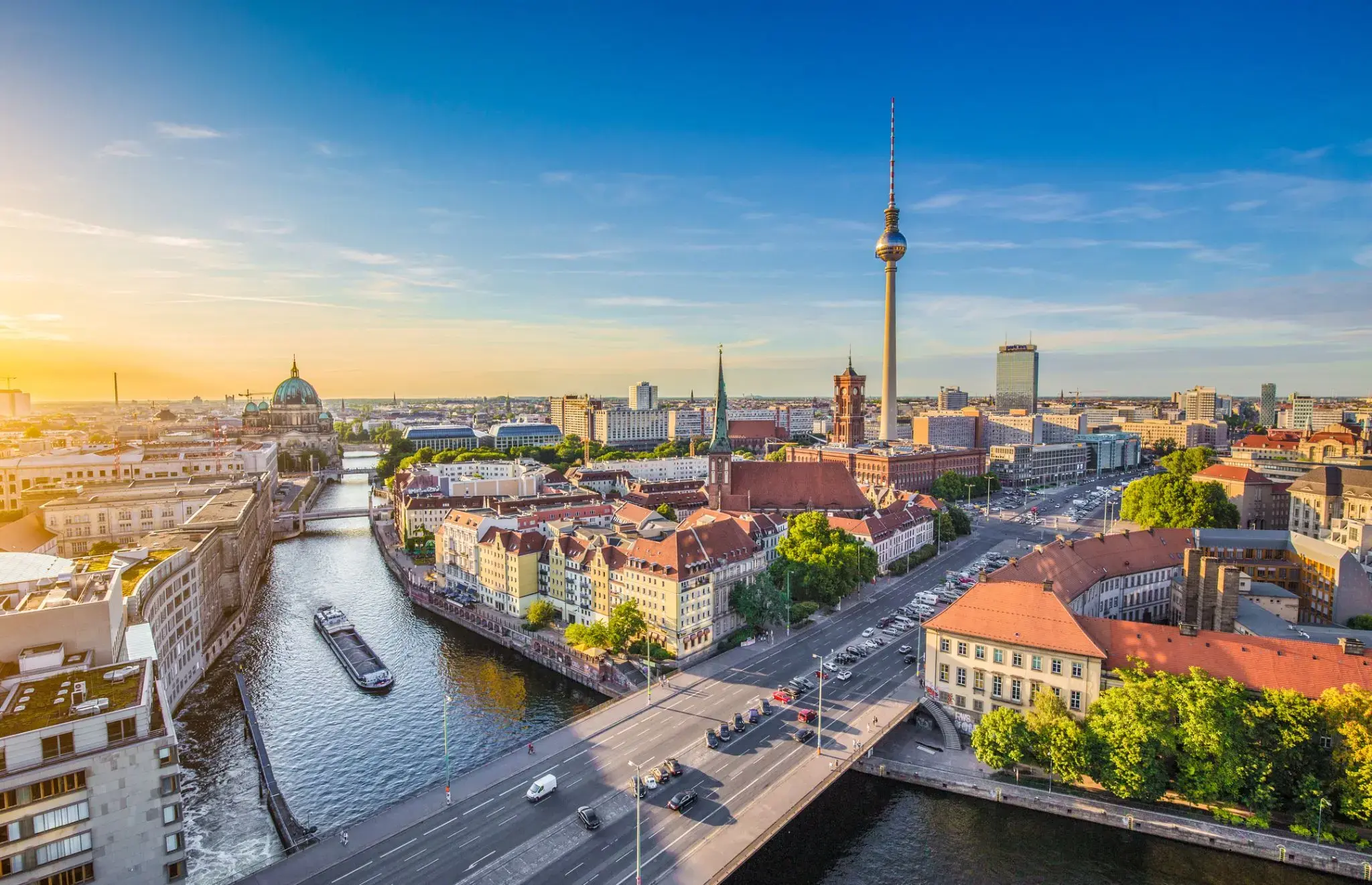
Berlin is the capital and largest city of Germany, by both area and population. With 3.7 million inhabitants, it has the highest population within its city limits of any city in the European Union. The city is also one of the states of Germany, being the third smallest state in the country by area. Berlin is surrounded by the state of Brandenburg, and Brandenburg's capital Potsdam is nearby. The urban area of Berlin has a population of over 4.6 million and is therefore the most populous urban area in Germany.The Berlin-Brandenburg capital region has around 6.2 million inhabitants and is Germany's second-largest metropolitan region after the Rhine-Ruhr;region,as well as the fifth-biggest metropolitan region by GDP in the European Union.

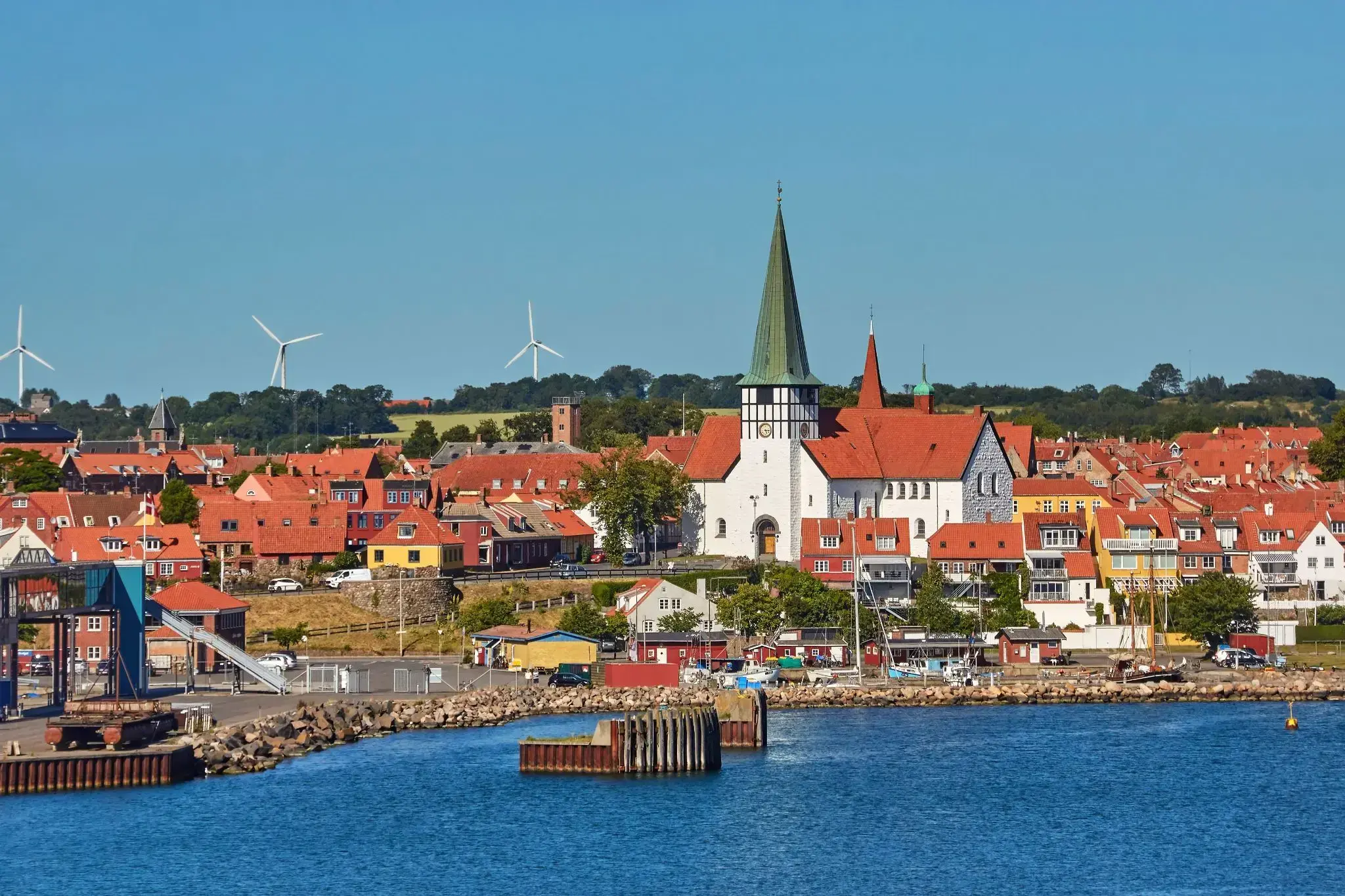
Quiet streets lined with half-timbered houses make Ronne (Rønne) a cozy corner on the Danish island of Bornholm, where every step is filled with the scent of the sea and fresh pastries from local bakeries. The town is known for its ceramics and glass workshops, as well as the cozy atmosphere of its fishing port, where you can taste freshly smoked herring while watching ships slowly enter the harbor. Here, time seems to slow down, allowing you to enjoy strolls through the old town with its cobblestone streets and picturesque houses that have preserved their 18th-century charm.
In Ronne, travelers will find a peaceful retreat with a touch of Danish coziness and the creative spirit of the island. The Bornholm Museum offers insights into the island's history and maritime traditions, while walks along the coast reveal rocky shores and clean beaches inviting relaxation year-round. This town is the perfect place for those who wish to experience authentic Denmark, breathe in the sea air, and discover the warm hospitality of Bornholm.

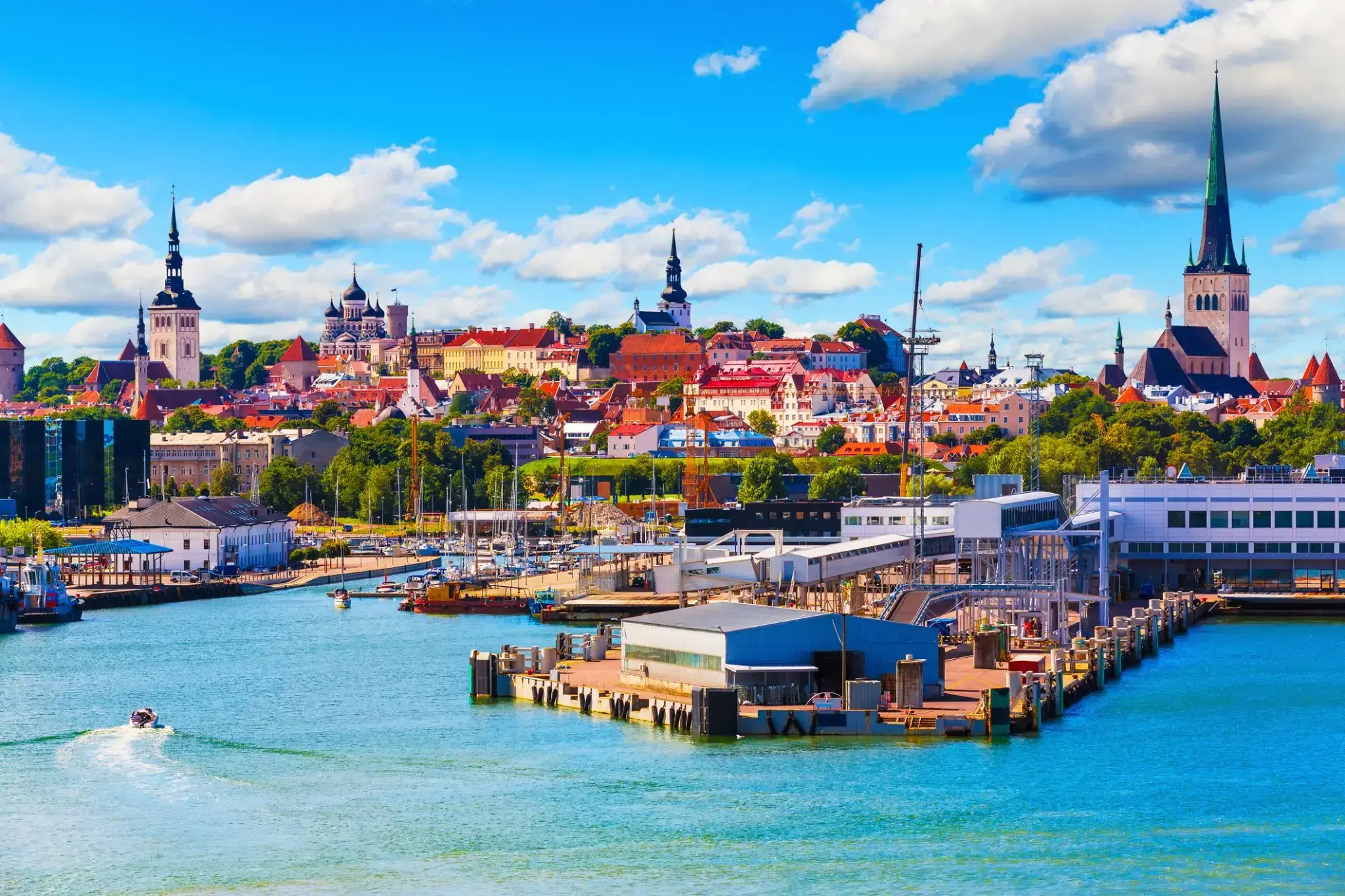
Tallinn is the capital and largest city of Estonia. It is on the northern coast of the country, on the shore of the Gulf of Finland in Harju County. From the 13th century until 1918 (and briefly during the Nazi occupation of Estonia from 1941 to 1944), the city was known as Reval. Tallinn occupies an area of 159.2 km2 (61.5 sq mi) and has a population of 453,033.
Tallinn, first mentioned in 1219, received city rights in 1248, but the earliest human settlements date back 5,000 years. The initial claim over the land was laid by the Danes in 1219, after a successful raid of Lindanise led by Valdemar II of Denmark, followed by a period of alternating Scandinavian and German rule. Due to its strategic location, the city became a major trade hub, especially from the 14th to the 16th century, when it grew in importance as part of the Hanseatic League.
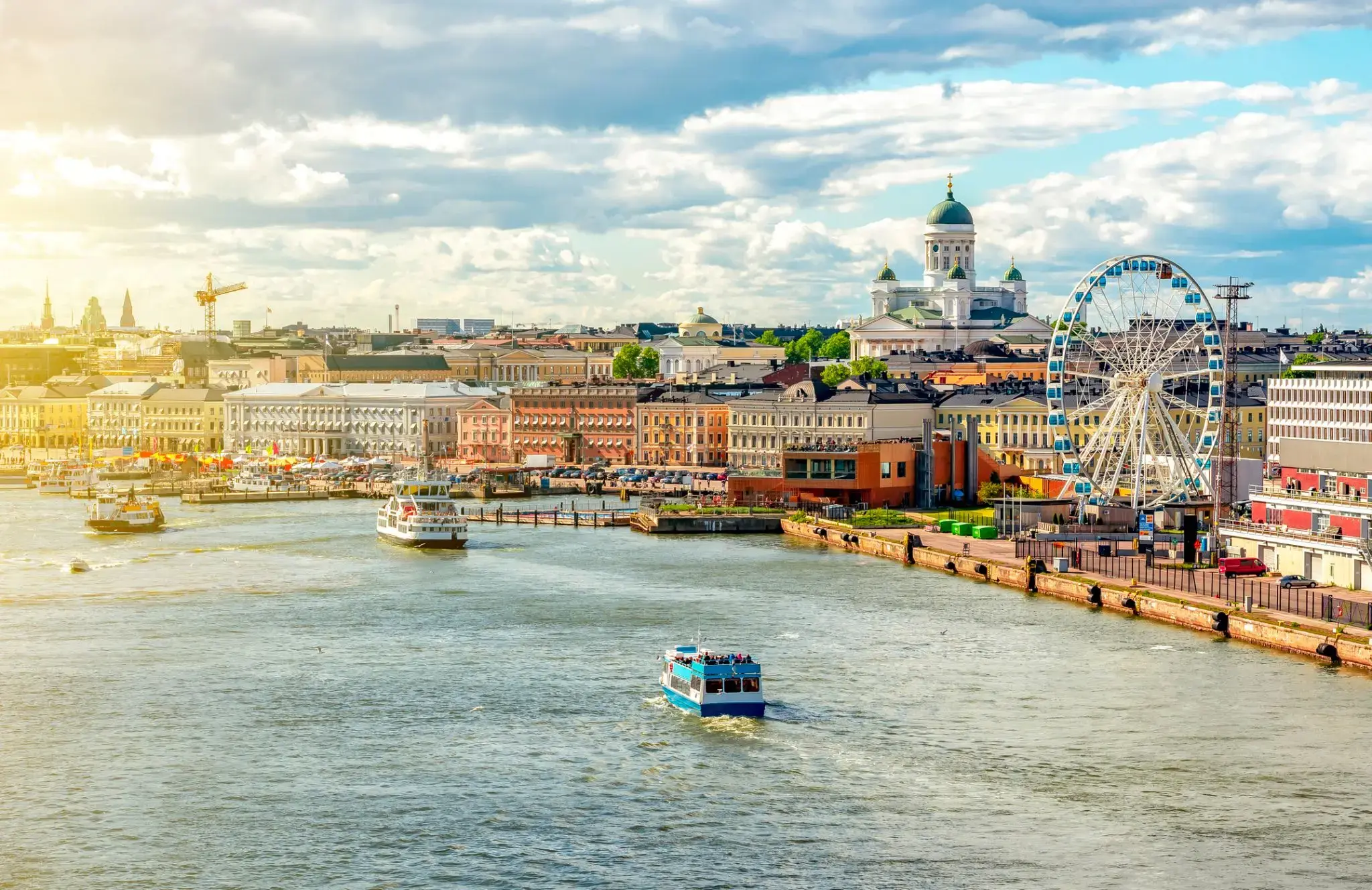
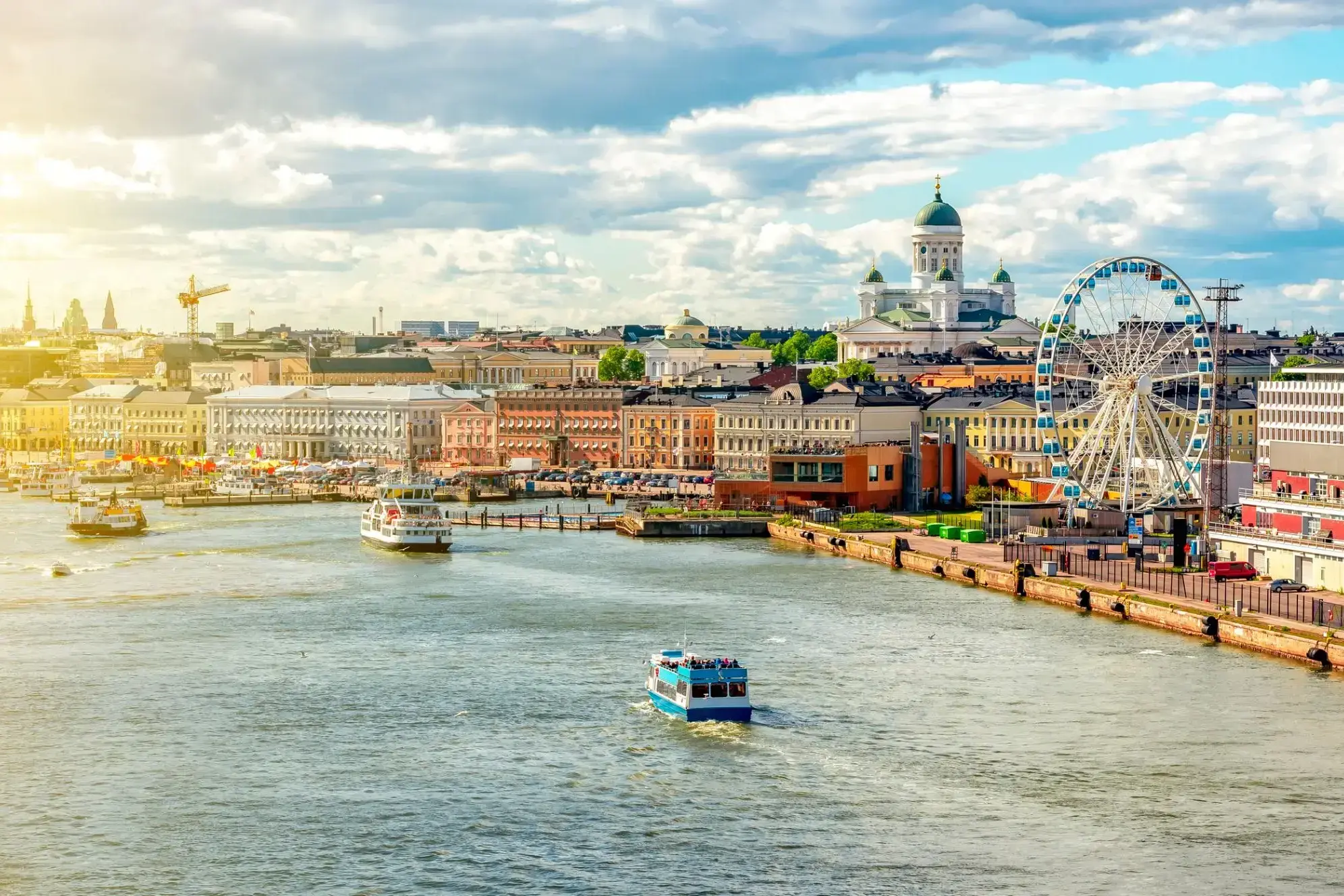
Helsinki located in the southern Finland, and has a population of 648,650. The city's urban area has a population of 1,268,296, it’s the most important center for politics, education, finance, culture, and research. Helsinki is located 80 kilometers (50 mi) north of Tallinn, Estonia, 400 km (250 mi) east of Stockholm, Sweden, and 390 km (240 mi) west of Saint Petersburg, Russia. It has close ties with these three cities.
Together with the cities of Espoo, Vantaa, and Kauniainen, and the surrounding commuter towns, Helsinki forms the Greater Helsinki metropolitan area, which has a population of nearly 1.5 million. Often being considered a metropolis of the EU member state. After Stockholm and Oslo, Helsinki is the third largest city in the Nordic countries. It is located in the city of Vantaa and is located in the city of Vantaa.
Helsinki was the World Design Capital for 2012, the 1952 Summer Olympics and the 52nd Eurovision Song Contest.
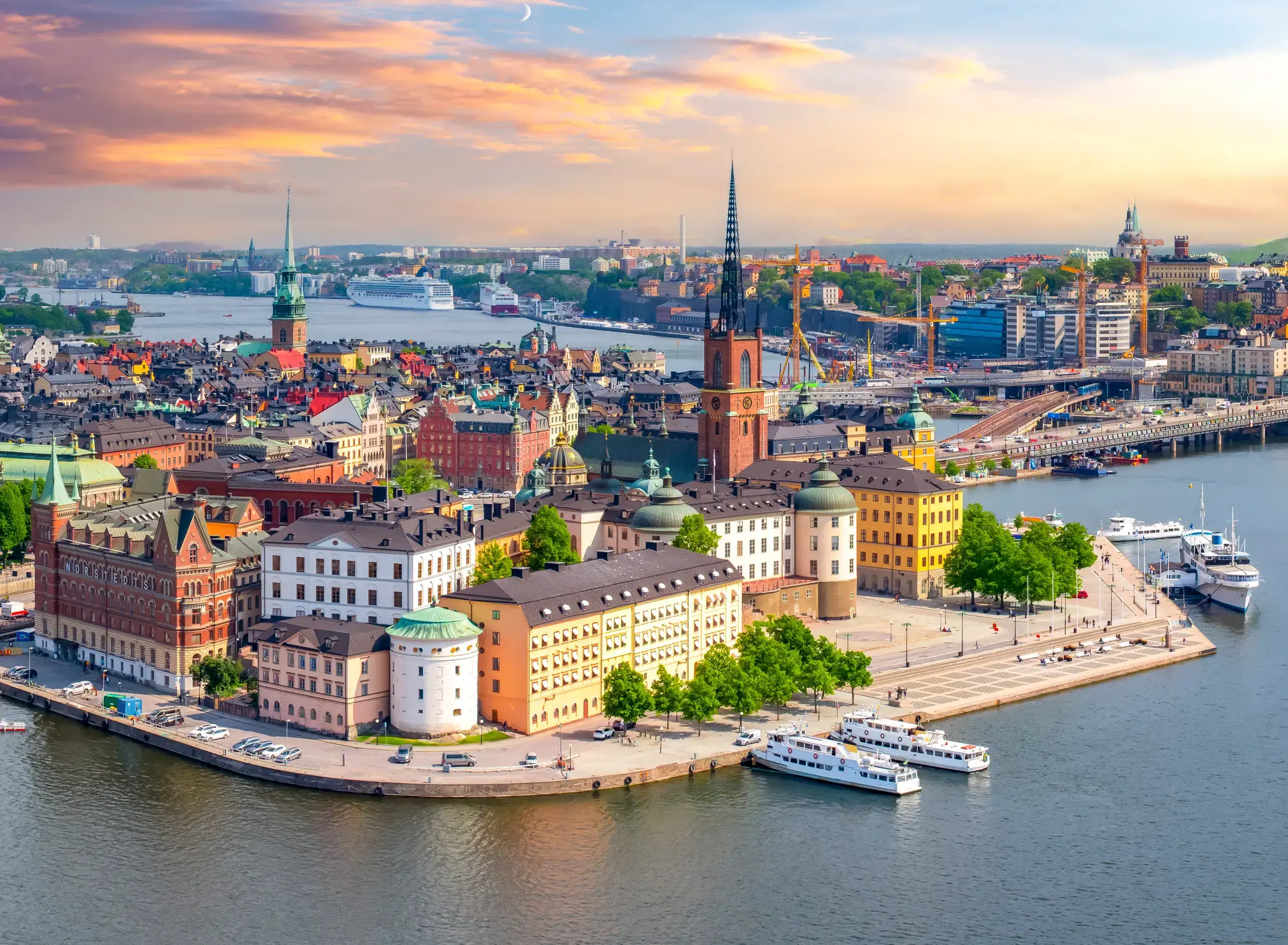
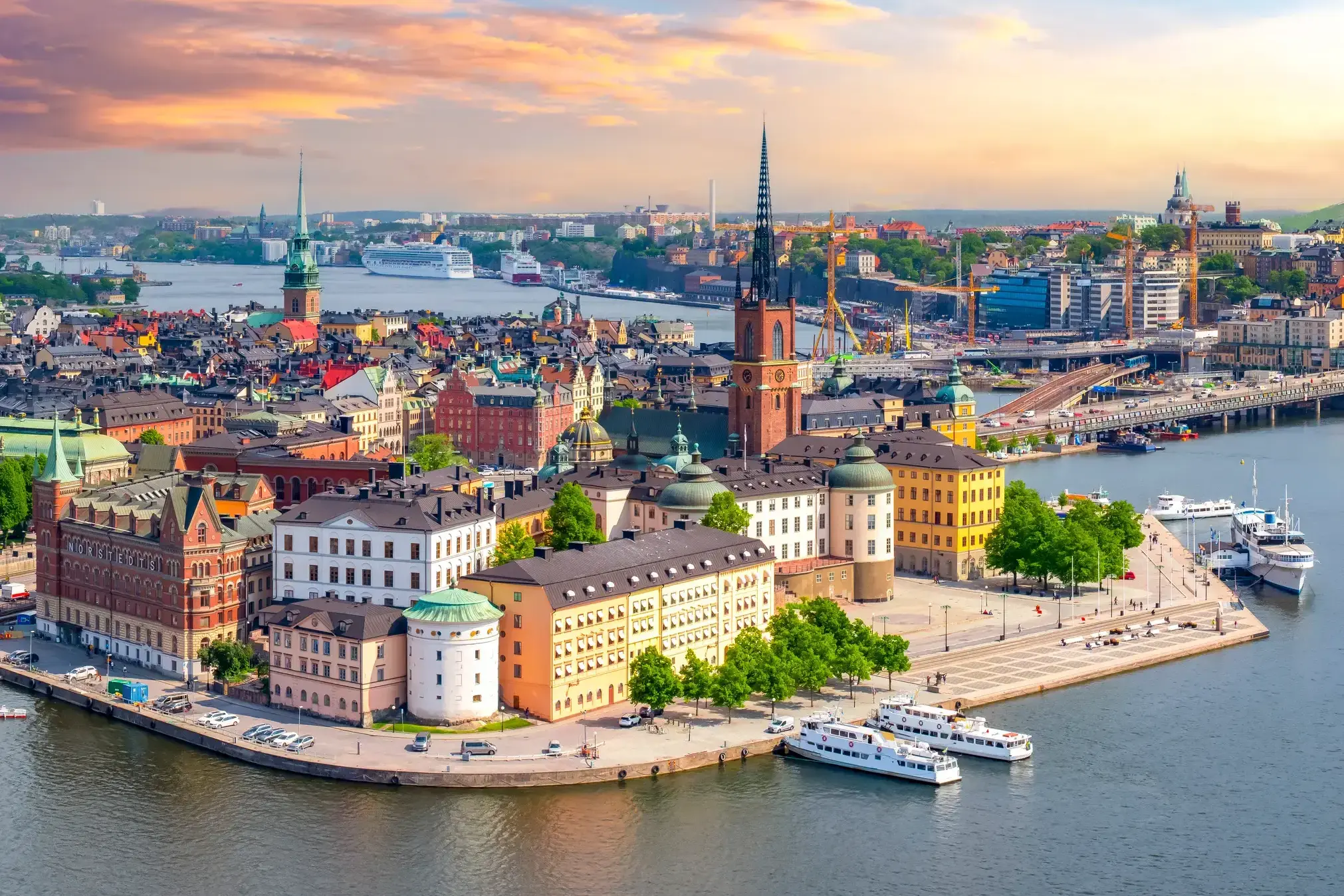
Stockholm is the capital of Sweden and the most populous urban area in the Nordic countries; 960,031 people live in the municipality, approximately 1.5 million in the urban area, and 2.3 million in the metropolitan area. The city stretches across fourteen islands where Lake Mälaren flows into the Baltic Sea. Just outside the city and along the coast is the island chain of the Stockholm archipelago. The area has been settled since the Stone Age, in the 6th millennium BC, and was founded as a city in 1252 by Swedish statesman Birger Jarl. It is also the capital of Stockholm County.
Stockholm is the cultural, media, political, and economic centre of Sweden. The Stockholm region alone accounts for over a third of the country's GDP, and is among the top 10 regions in Europe by GDP per capita. It is an important global city, and the main centre for corporate headquarters in the Nordic region. The city is home to some of Europe's top ranking universities, such as the Stockholm School of Economics, Karolinska Institute and Royal Institute of Technology (KTH). It hosts the annual Nobel Prize ceremonies and banquet at the Stockholm Concert Hall and Stockholm City Hall. One of the city's most prized museums, the Vasa Museum, is the most visited non-art museum in Scandinavia. The Stockholm metro, opened in 1950, is well known for the decor of its stations; it has been called the longest art gallery in the world. Sweden's national football arena is located north of the city centre, in Solna. Ericsson Globe, the national indoor arena, is in the southern part of the city. The city was the host of the 1912 Summer Olympics, and hosted the equestrian portion of the 1956 Summer Olympicsotherwise held in Melbourne, Victoria, Australia.
Stockholm is the seat of the Swedish government and most of its agencies, including the highest courts in the judiciary, and the official residencies of the Swedish monarch and the Prime Minister. The government has its seat in the Rosenbad building, the Riksdag (Swedish parliament) is seated in the Parliament House, and the Prime Minister's residence is adjacent at Sager House. Stockholm Palace is the official residence and principal workplace of the Swedish monarch, while Drottningholm Palace, a World Heritage Site on the outskirts of Stockholm, serves as the Royal Family's private residence.
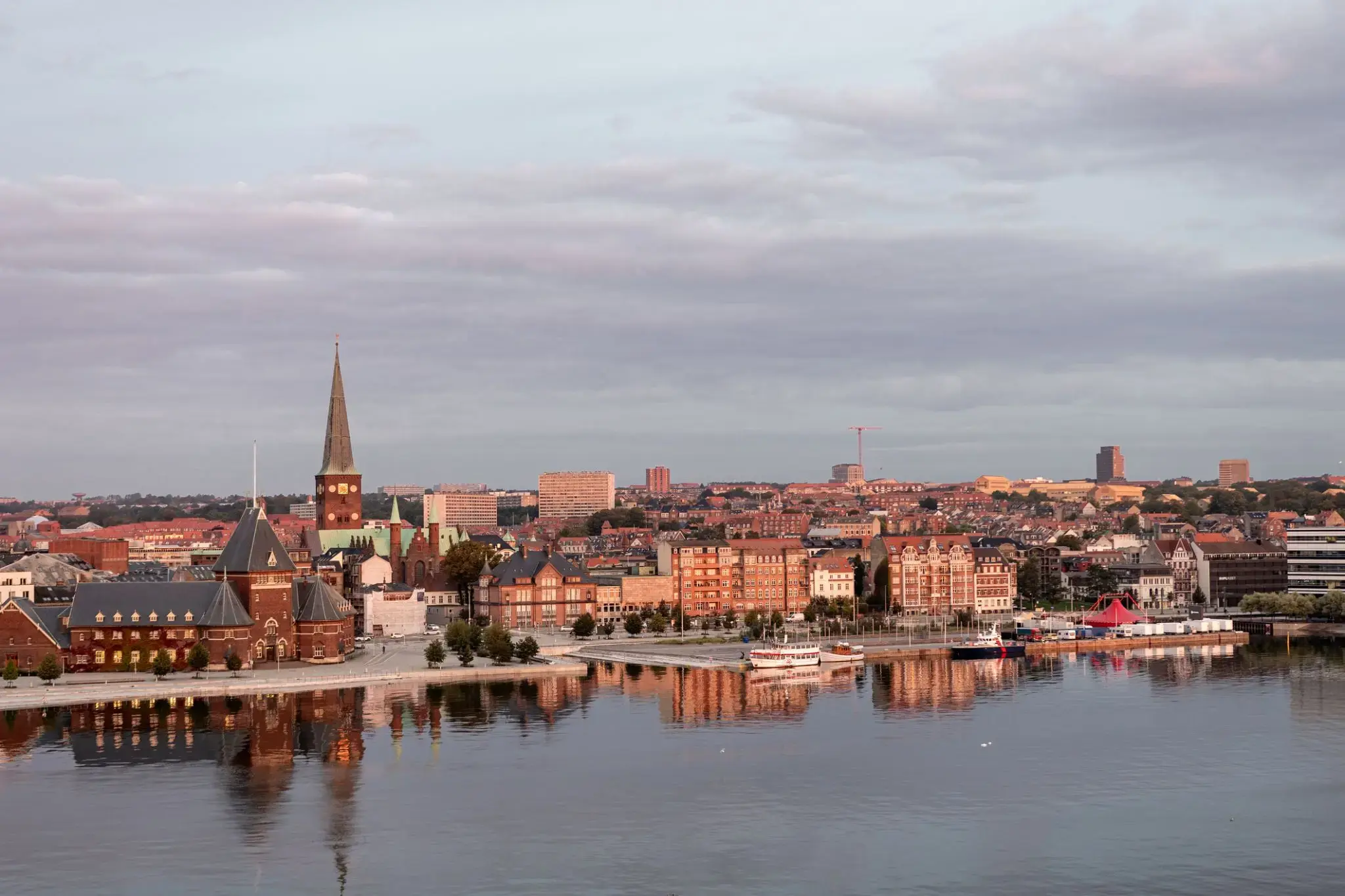
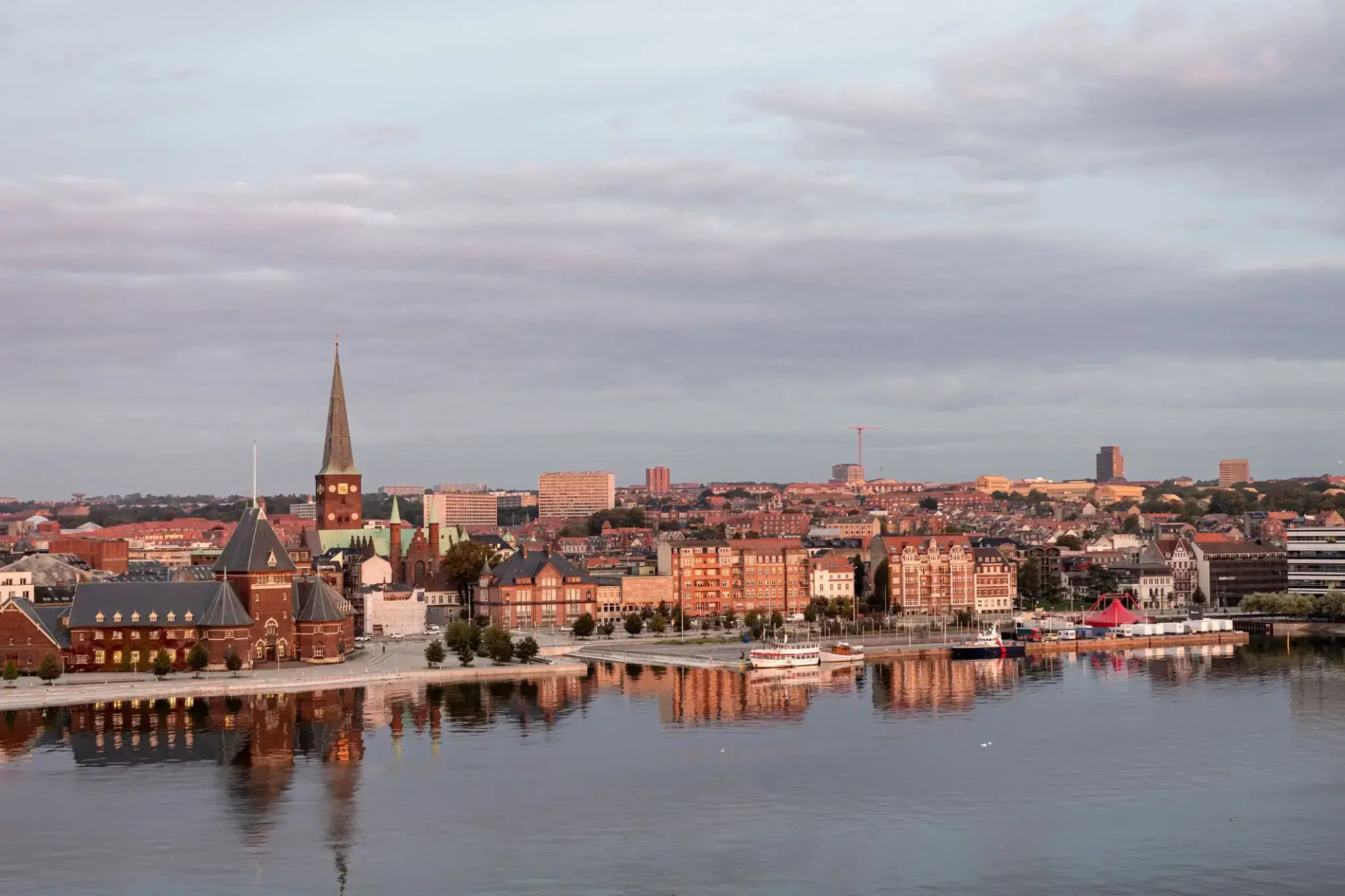
Aarhus is the second-largest city in Denmark and the seat of Aarhus municipality. It is located on the east coast of the Jutlandpeninsula, in the geographical centre of Denmark, 187 kilometres (116 mi) northwest of Copenhagen and 289 kilometres (180 mi) north of Hamburg, Germany. The inner urban area contains 273,077 inhabitants (as of 1 January 2018) and the municipal population is 340,421 (as of 2018). Aarhus is the central city in Business Region Aarhus and in the East Jutland metropolitan area, which had a total population of 1.378 million in 2016.
The history of Aarhus began as a fortified Viking settlement founded in the 8th century and with the first written records stemming from the bishopric seated here from at least 948. The city was founded on the northern shores of a fjord at a natural harbour and the primary driver of growth was for centuries seaborne trade in agricultural products. Market town privileges were granted in 1441, but growth stagnated in the 17th century as the city suffered blockades and bombardments during the Swedish Wars. In the 19th century it was occupied twice by German troops during the Schleswig Wars but avoided destruction. As the industrial revolution took hold, the city grew to become the second-largest in the country by the 20th century.
the capital and chief port of Denmark, a city that occupies the eastern part of Zealand and northern part of the island of Amager; population 518,574 (2009).