| Cruise Region : Oceania |
| Company : Oceania Cruises |
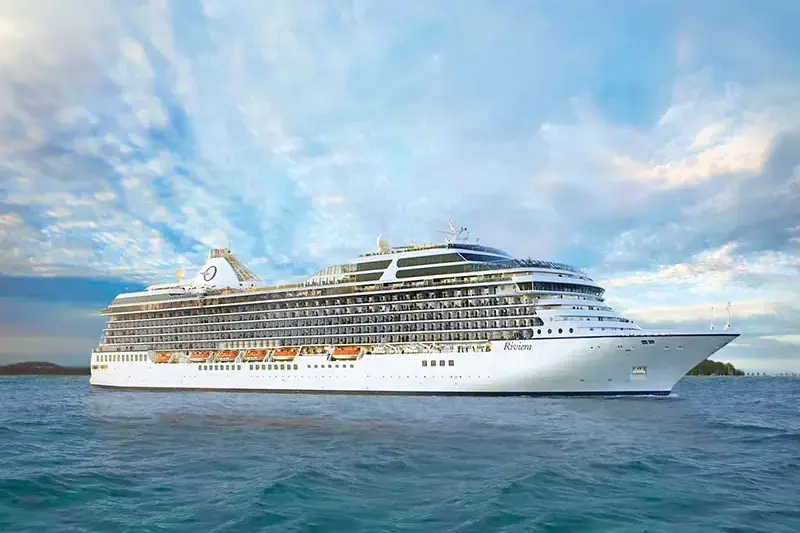
| Ship : Riviera |
| Journey Start : Thu 15 Feb 2029 |
| Journey End : Tue 20 Mar 2029 |
| Count Nights : 33 nights |
| Day | Date | Port | Arrival | Departure |
|---|---|---|---|---|
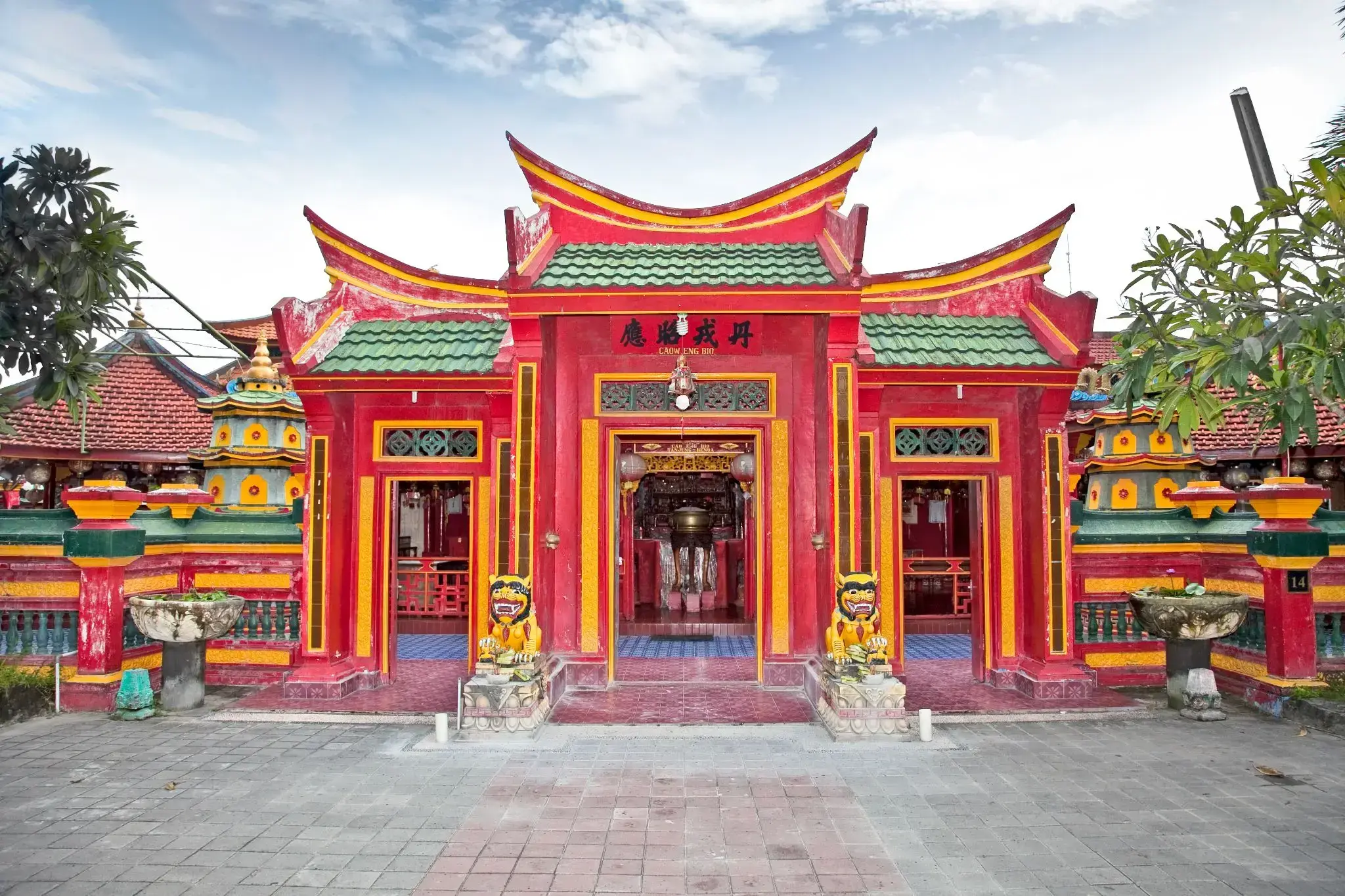
| 1 | 15.02 Thu | Tangjung Benoa / Indonesia | 07:00 | 17:00 |
| 2 | 16.02 Fri | Tangjung Benoa / Indonesia | 07:00 | 17:00 |
| 3 | 17.02 Sat | Day at sea / Sea | ||
| 4 | 18.02 Sun | Jakarta / Indonesia | 07:00 | 19:00 |
| 5 | 19.02 Mon | Day at sea / Sea | ||
| 6 | 20.02 Tue | Day at sea / Sea | ||
| 7 | 21.02 Wed | Kuala Lumpur / Malaysia | 07:00 | 16:00 |
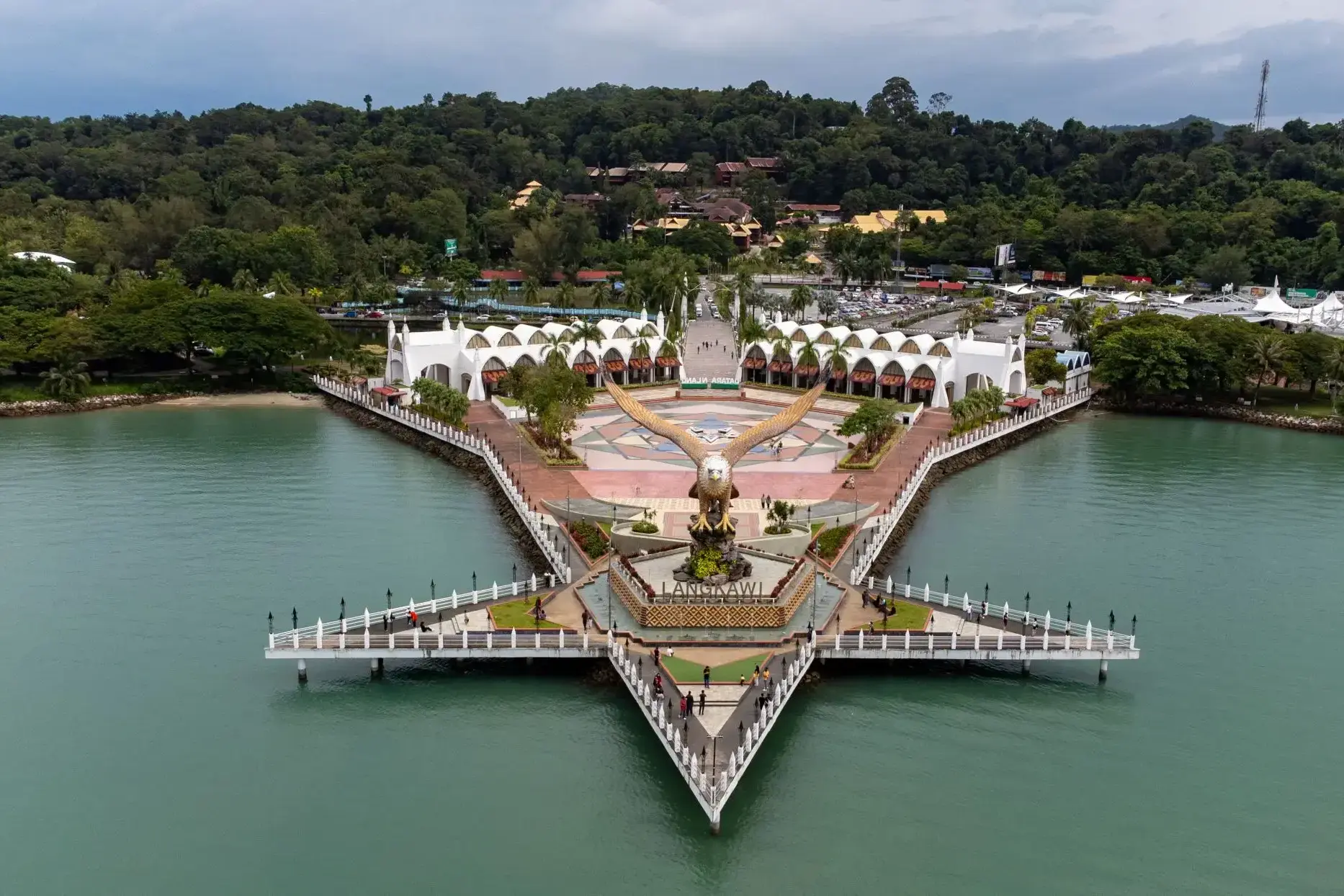
| 8 | 22.02 Thu | Kuah / Malaysia | 09:00 | 18:00 |
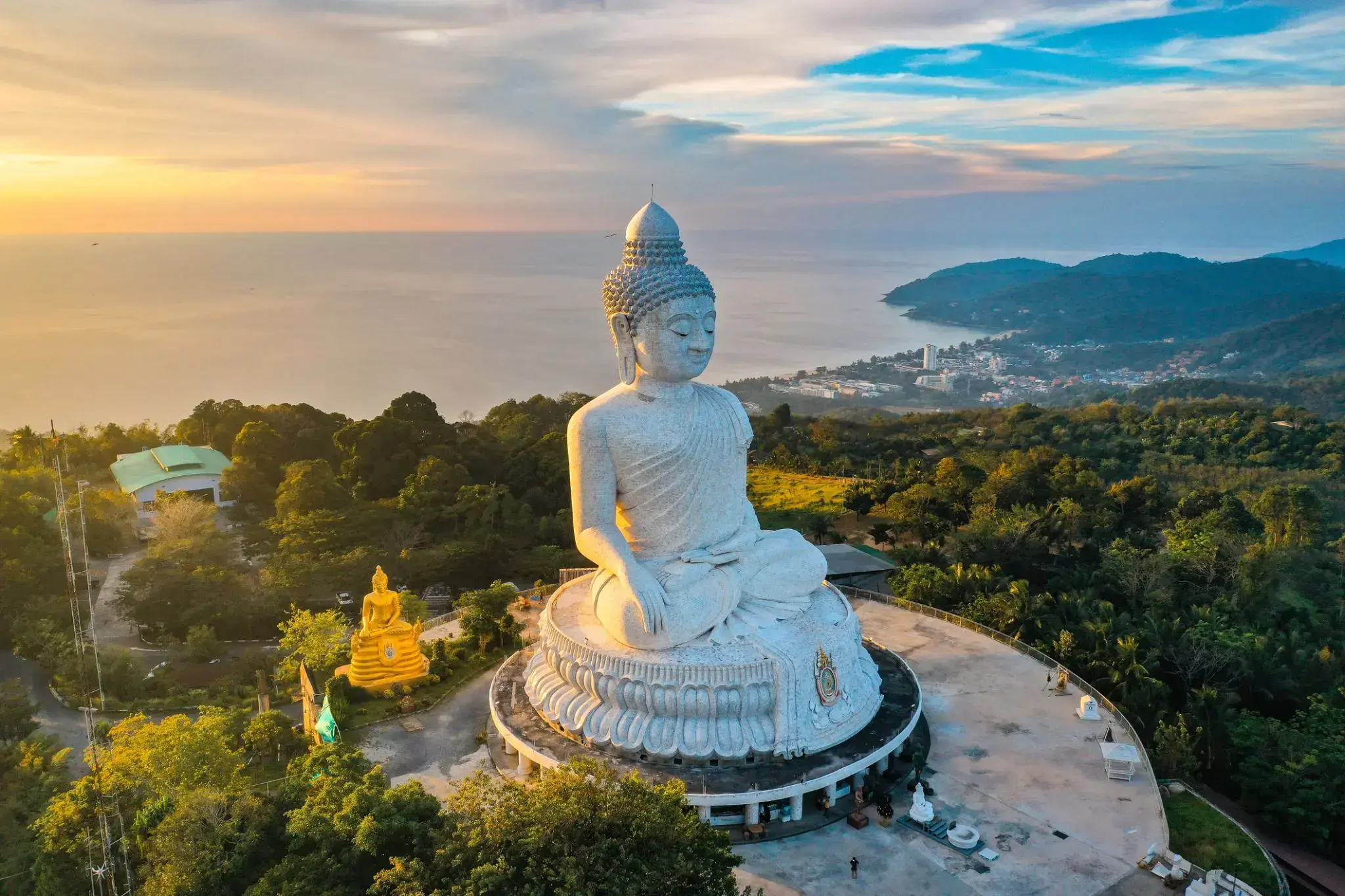
| 9 | 23.02 Fri | Phuket / Thailand | 07:00 | 17:00 |
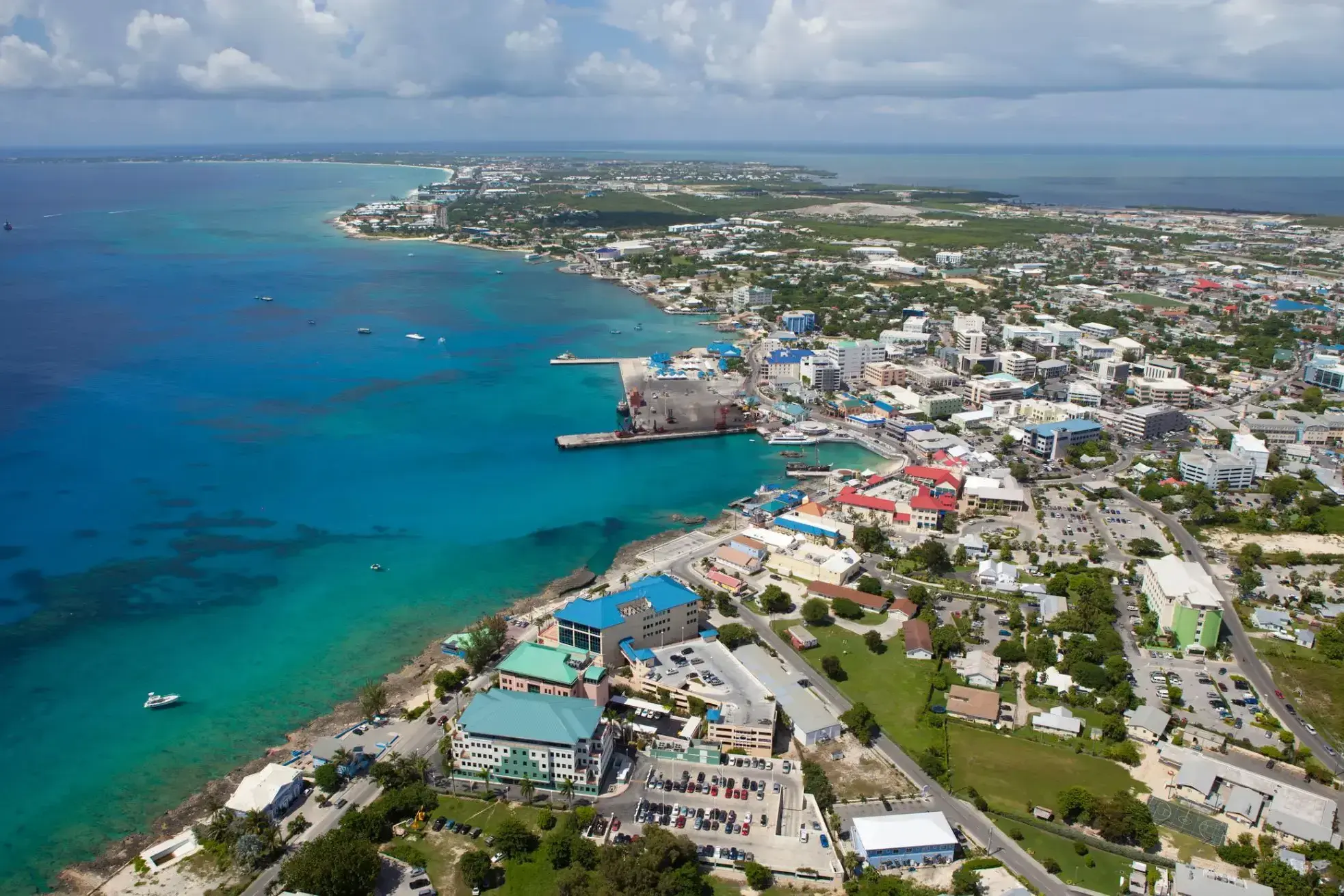
| 10 | 24.02 Sat | Georgetown / Cayman Islands | 09:00 | 19:00 |
| 11 | 25.02 Sun | Day at sea / Sea | ||
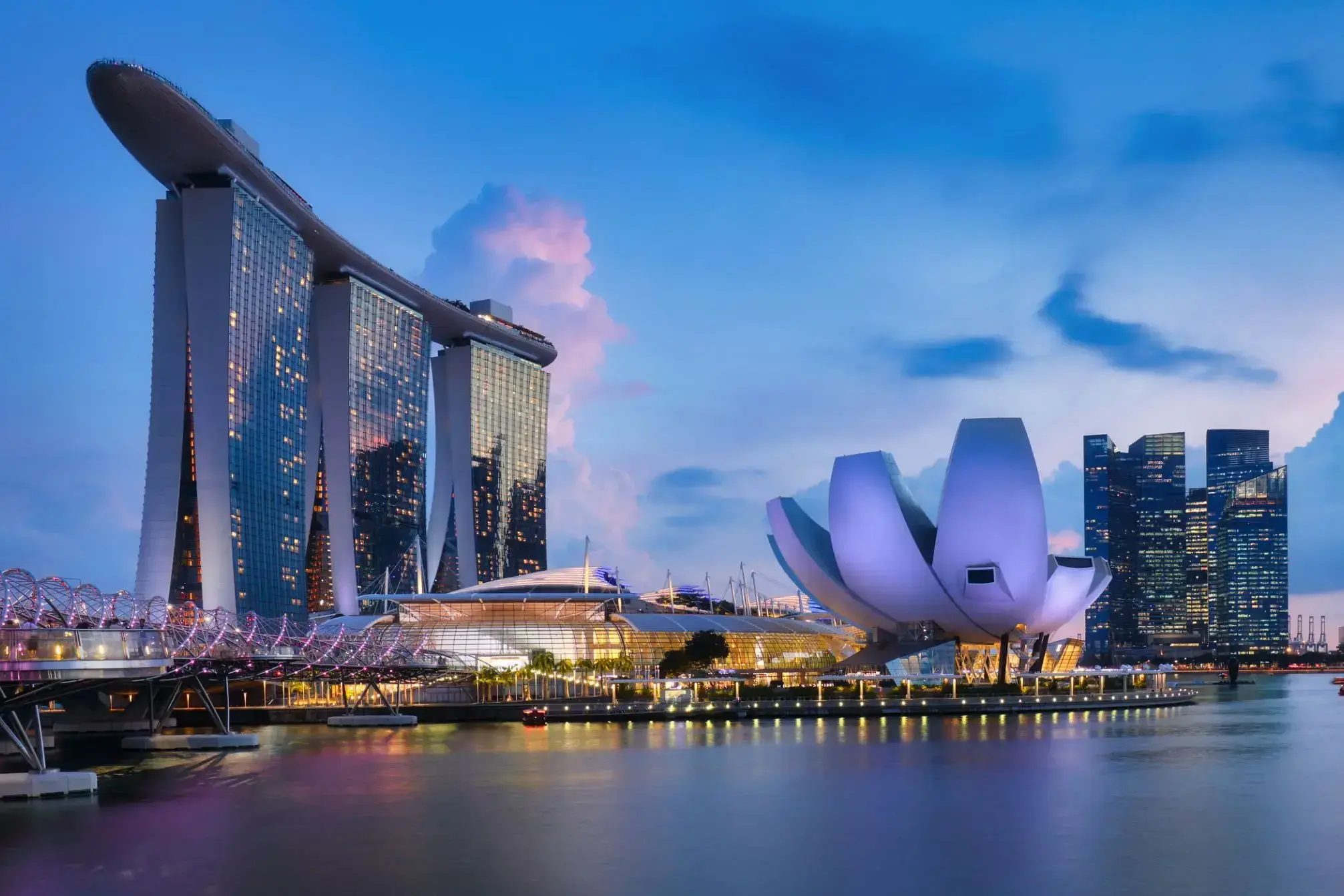
| 12 | 26.02 Mon | Singapore / Singapore | 07:00 | 23:00 |
| 13 | 27.02 Tue | Day at sea / Sea | ||
| 14 | 28.02 Wed | Day at sea / Sea | ||
| 15 | 1.03 Thu | Kota Kinabalu / Malaysia | 07:00 | 17:00 |
| 16 | 2.03 Fri | Day at sea / Sea | ||
| 17 | 3.03 Sat | Puerto Princesa / Philippine Islands | 07:00 | 17:00 |
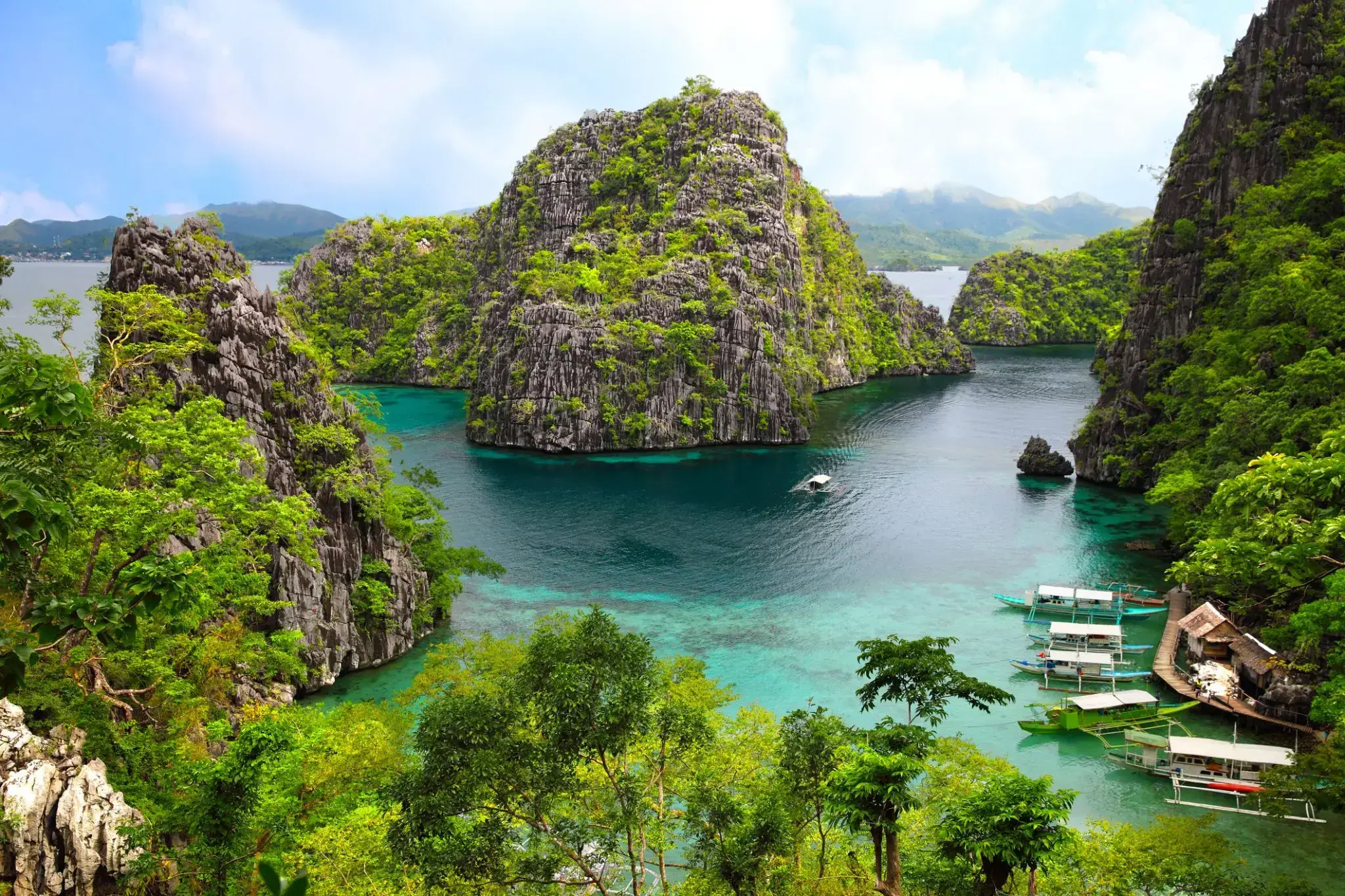
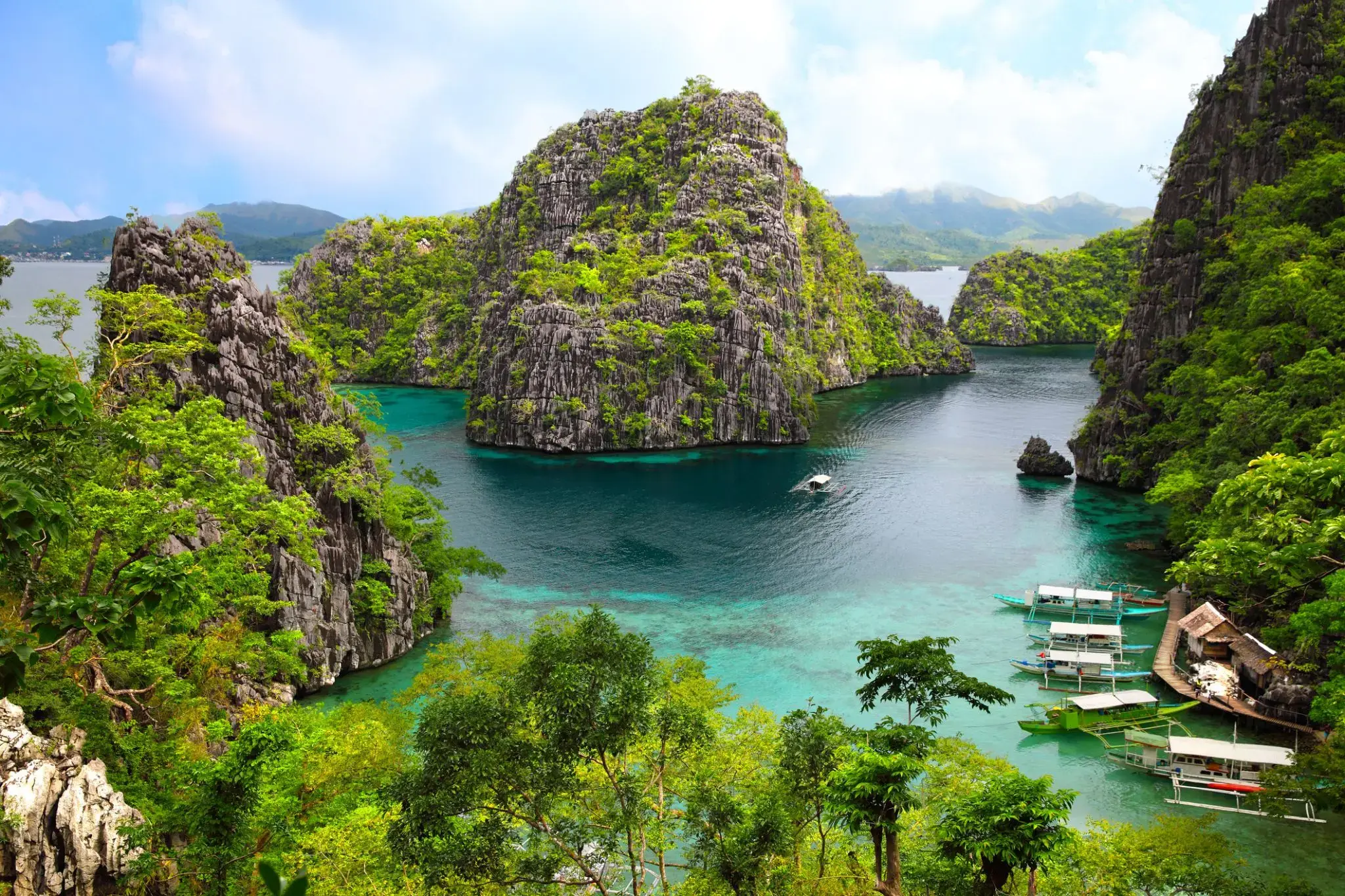
| 18 | 4.03 Sun | Coron Island / Philippine Islands | 09:00 | 18:00 |
| 19 | 5.03 Mon | BORACAY ISLAND | 07:00 | 16:00 |
| 20 | 6.03 Tue | Manila / Philippine Islands | 08:00 | 17:00 |
| 21 | 7.03 Wed | Day at sea / Sea | ||
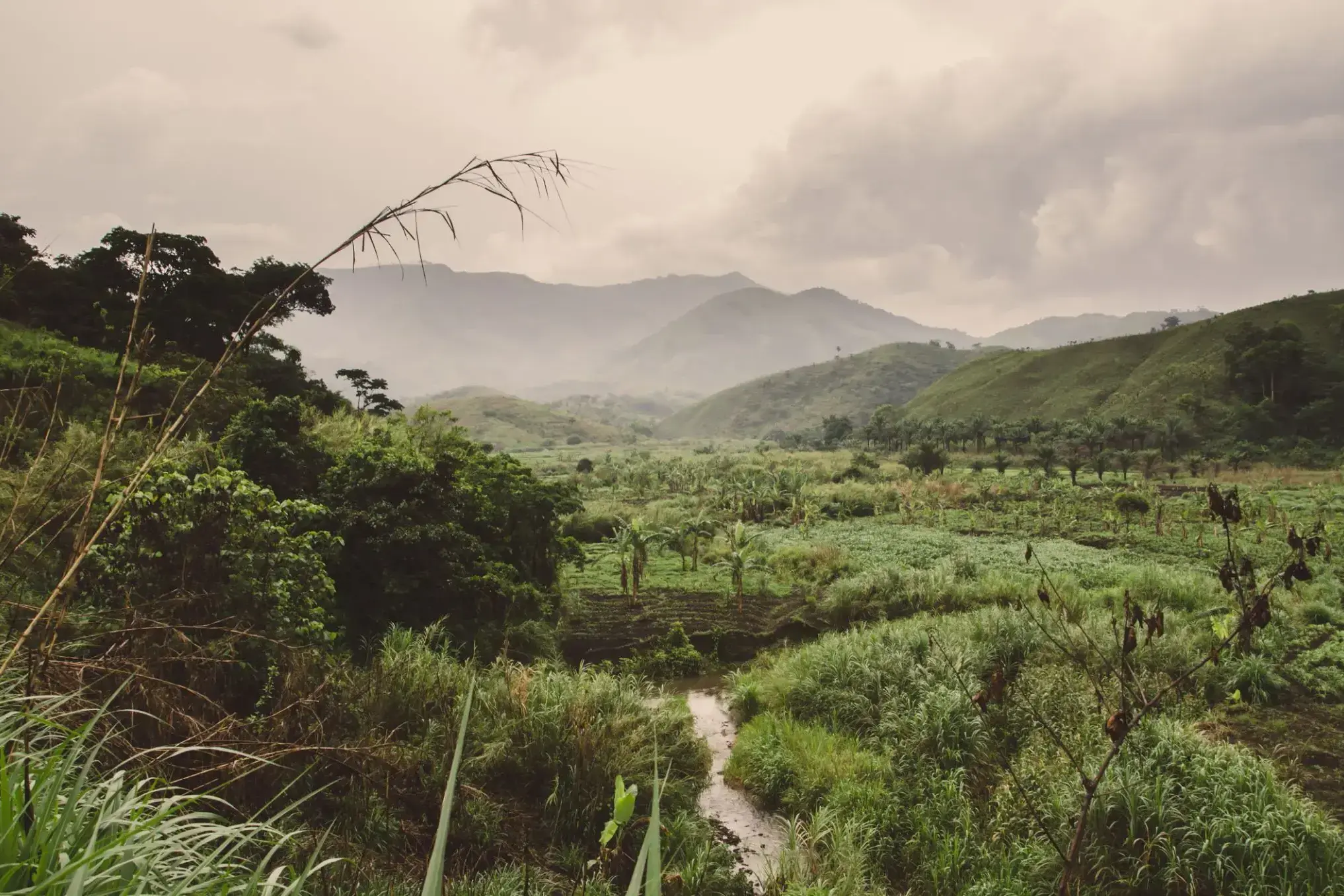
| 22 | 8.03 Thu | Limbe / Cameroon | 09:00 | |
| 23 | 9.03 Fri | Limbe / Cameroon | 17:00 | |
| 24 | 10.03 Sat | Day at sea / Sea | ||
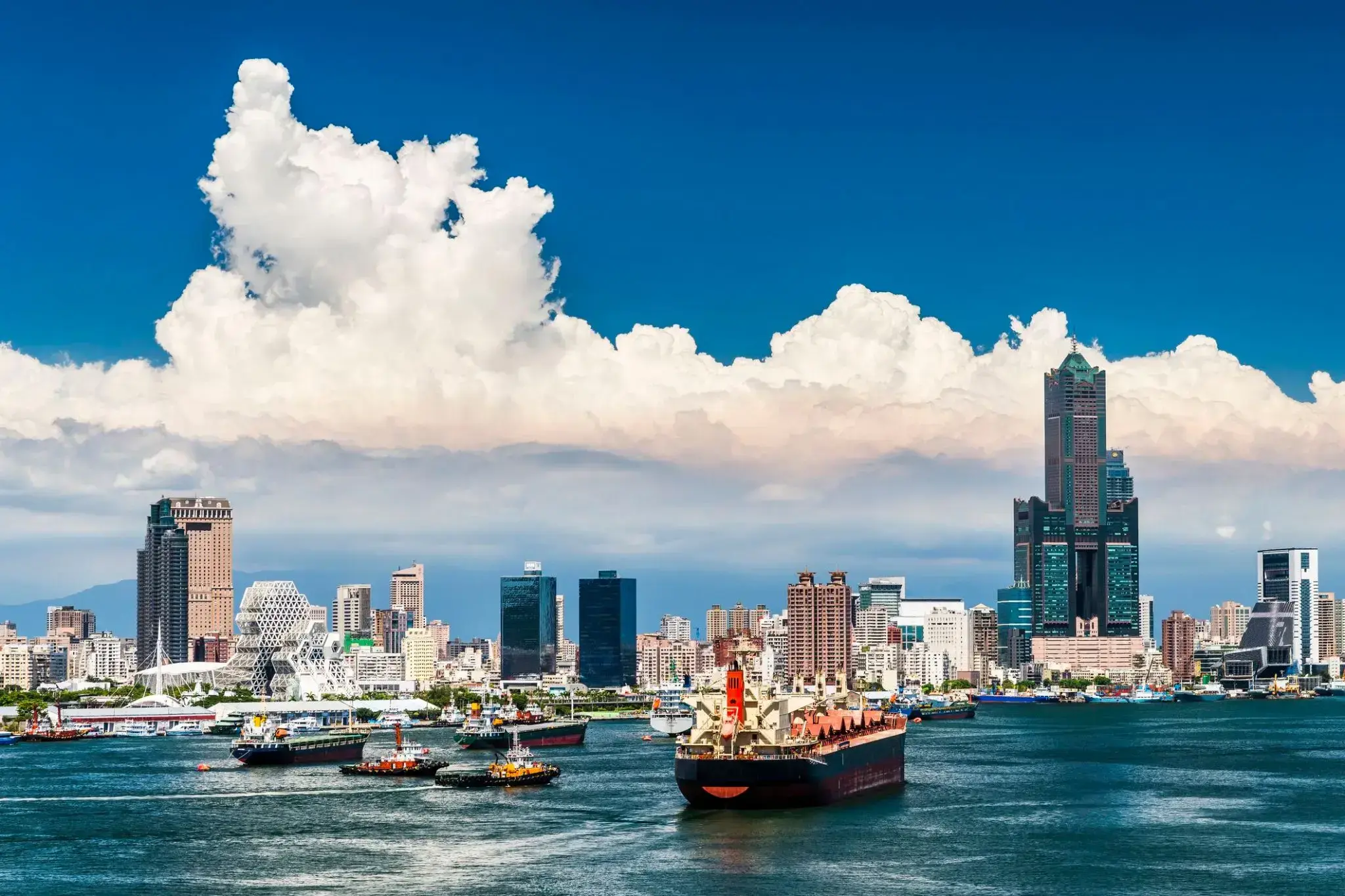
| 25 | 11.03 Sun | Kaohsiung / Taiwan | 07:00 | 16:00 |
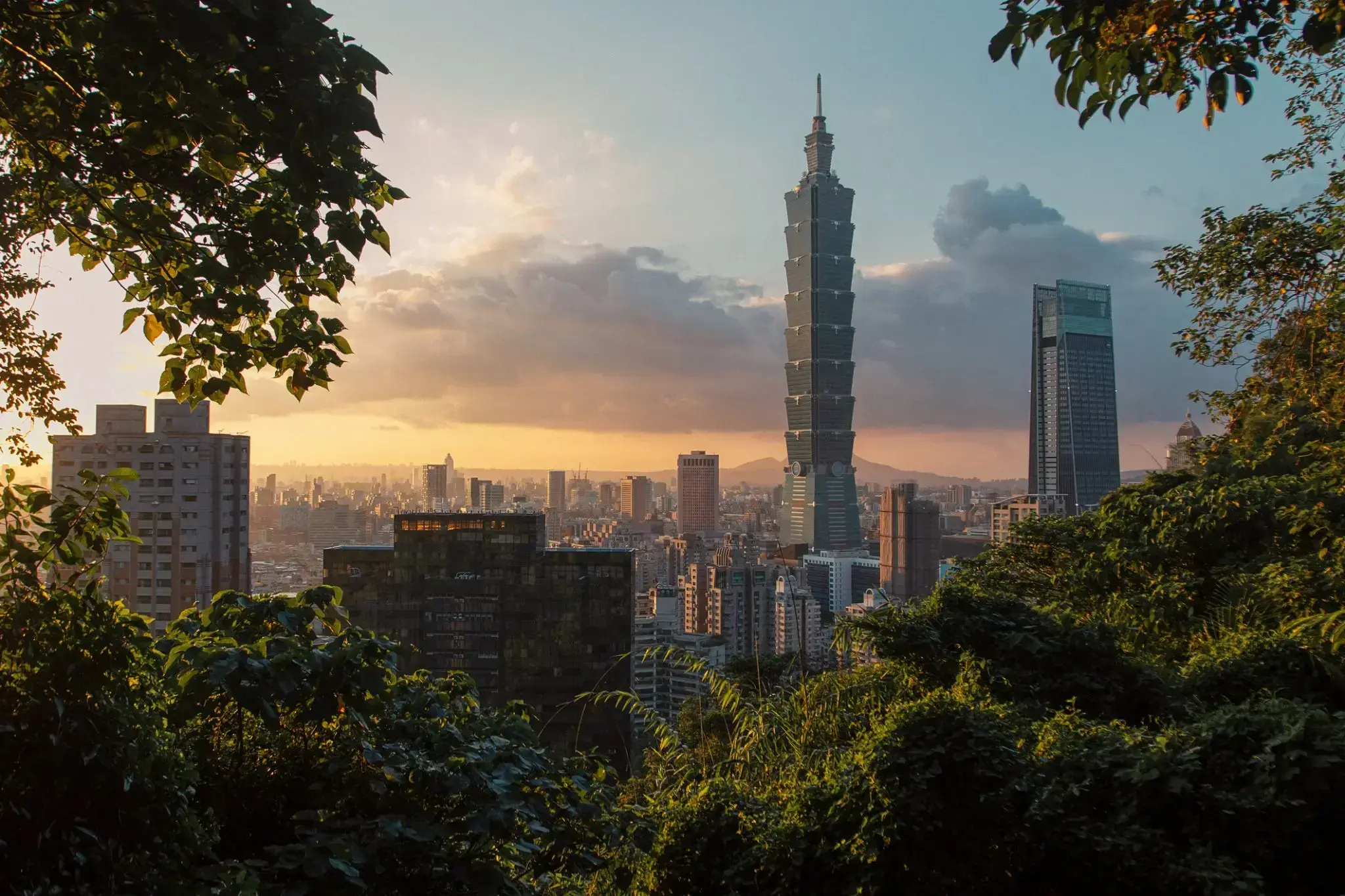
| 26 | 12.03 Mon | Taipei / Taiwan | 09:00 | 18:00 |
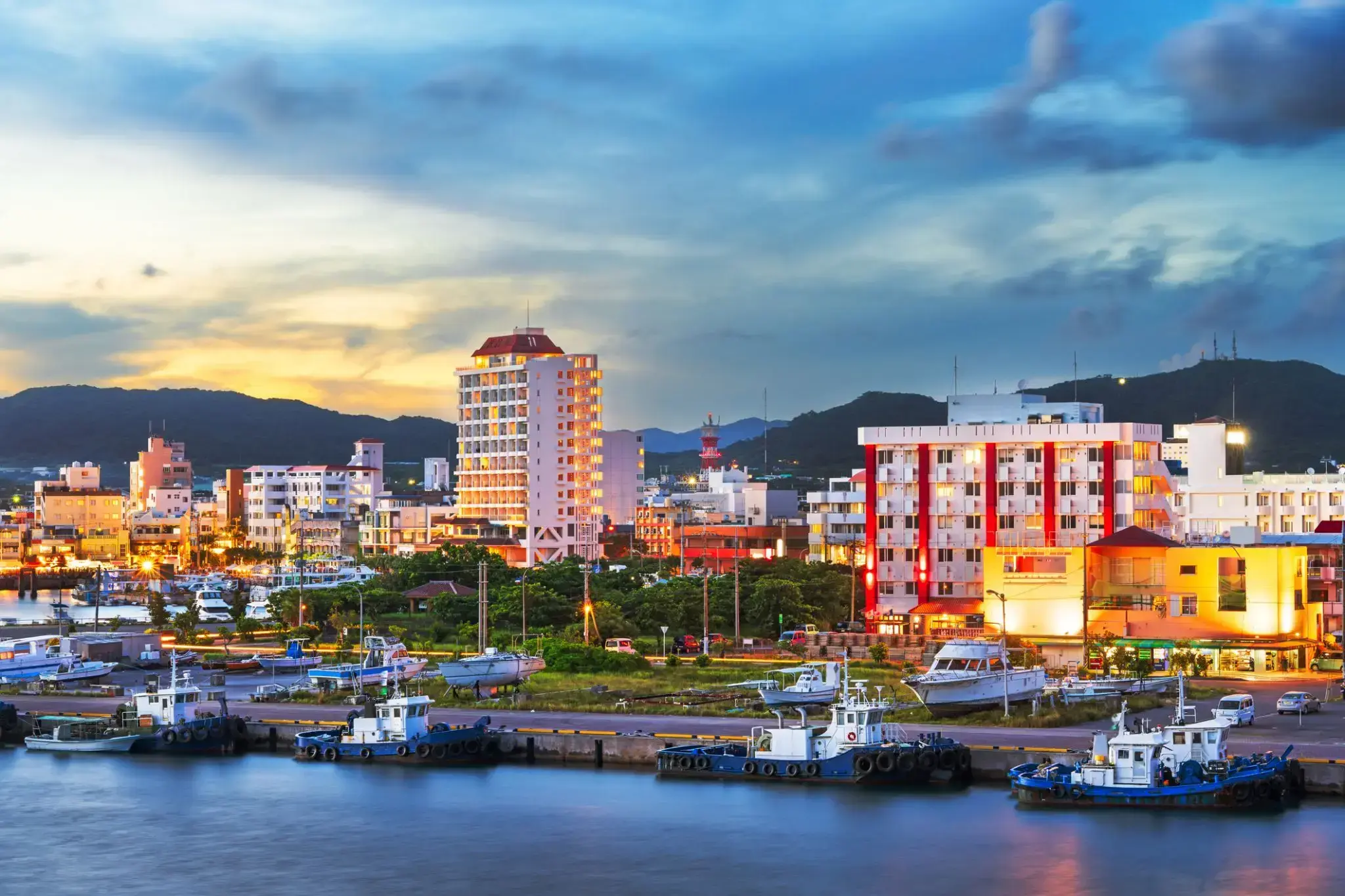
| 27 | 13.03 Tue | Ishigaki, Okinawa / Japan | 07:00 | 16:00 |
| 28 | 14.03 Wed | Naha / Japan | 09:00 | 18:00 |
| 29 | 15.03 Thu | Day at sea / Sea | ||
| 30 | 16.03 Fri | Kagoshima / Japan | 07:00 | 17:00 |
| 31 | 17.03 Sat | Day at sea / Sea | ||
| 32 | 18.03 Sun | Shimizu / Japan | 07:00 | 17:00 |
| 33 | 19.03 Mon | Yokohama (Tokyo) / Japan | 08:00 | |
| 34 | 20.03 Tue | Yokohama (Tokyo) / Japan | 17:00 |
Your World Included
With Your World Included, you’ll enjoy a wide array of included amenities for the ultimate comfort and value in ultra-premium cruising.
Unforgettable dining experiences at a variety of exquisite restaurants — all at no extra charge.
Complimentary specialty coffees, sodas, freshly pressed juices, and still and sparkling Vero Water® served throughout the ship.
Unlimited free Wi-Fi available in your suite, stateroom, and all public areas.
In-room dining with a superb variety of hot and cold selections.
Smoothies, milkshakes, gelato, and signature Humphry Slocombe ice cream — always included.
Group fitness classes at Aquamar® Spa + Vitality Center are complimentary.
Gratuities are included for your convenience.
Laundry is free for all guests.
With complimentary self-service launderettes on board, plus laundry and pressing services for Concierge and Suite categories, you’ll always look your finest.
Along with our hallmark personalized service, you’ll enjoy an enriching cruise experience with no hidden costs or nickel-and-diming.
Elevate Your Experience
Concierge Level Veranda Staterooms offer an unrivaled combination of luxury, privilege, and value. A wealth of amenities and exclusive benefits elevate your experience to the sublime — from in-room dining selections from The Grand Dining Room and complimentary laundry services to unlimited access to the Aquamar Spa Terrace.
On board Oceania Marina and Oceania Riviera, you’ll also enjoy the services of a dedicated Concierge and exclusive access to the private Concierge Lounge.
Located in the most desired areas of the ship, Concierge Level Veranda Staterooms are far more than just staterooms — they are an experience in themselves.
Concierge Level Veranda — Exclusive Privileges
Expanded in-room dining menu for lunch and dinner from The Grand Dining Room
Laundry service — up to 3 bags per stateroom
Exclusive key-card access to the private Concierge Lounge aboard Oceania Marina, Oceania Riviera, Oceania Vista, and Oceania Allura, featuring complimentary beverages, coffees, snacks, and the services of a dedicated Concierge
Welcome bottle of fine Italian Prosecco
Priority online reservations for specialty restaurants
Unlimited access to the Aquamar Spa Terrace
Oceania Cruises logo tote bag
Cashmere lap blankets — perfect for relaxing or snuggling
Pressing of garments upon embarkation
Complimentary shoeshine service
Deposit and Payments – Oceania Cruises
General Deposit:
For Owner’s, Vista, and Oceania Suites, a deposit of 20% of the cruise fare per person is required.
For all other suite/stateroom categories, the deposit is $500 per person.
For Grand Voyages, the deposit is $1,500 per person.
Deposit and Final Payment Deadlines:
Bookings more than 150 days from sailing:
Deposit 20% for Owner’s, Vista, and Oceania Suites and $500 for all other categories is required within 5 days of booking.
Bookings 90–120 days from sailing:
Full payment required within 3 days of booking.
Bookings 0–90 days from sailing:
Full payment due on the day of booking.
Important:
Bookings that are not deposited or paid in full according to this schedule will be automatically cancelled.
Unless otherwise noted, final payment must be received by Oceania Cruises 150 days prior to departure for cruises less than 15 days, and 150 days for cruises 15 days or longer.
Oceania Cruises reserves the right to cancel any booking not fully paid at the time of final payment.
Additional Information:
Passport details and special onboard service requests are due at final payment.
Payment may be made by personal check, American Express, Discover, MasterCard, or Visa.
For convenience, final payment may be automatically charged to the credit card used for the initial deposit.
Oceania Cruises is not responsible for foreign currency or transaction fees independently charged by issuing banks. These fees do not benefit Oceania Cruises.
Third-party credit card payments are accepted only with valid authorization from the cardholder.
Deposit and Payment – 180-Day Voyages
For 180-day voyages, a deposit of 20% of the cruise fare per person for all suites and staterooms is required within 7 days of booking.
Final payment must be received no later than 181 days prior to departure, along with passport details and any special onboard service requests.
Otherwise, the booking may be immediately cancelled, and applicable penalties will apply.
Oceania Cruises accepts payment for reservations by credit/debit card or bank transfer.
Unfortunately, personal checks are not accepted.
Credit/Debit Cards:
American Express, Visa, and Mastercard are accepted.
Please note: Oceania Cruises assumes no responsibility for foreign currency/transaction processing fees assessed by your issuing bank.
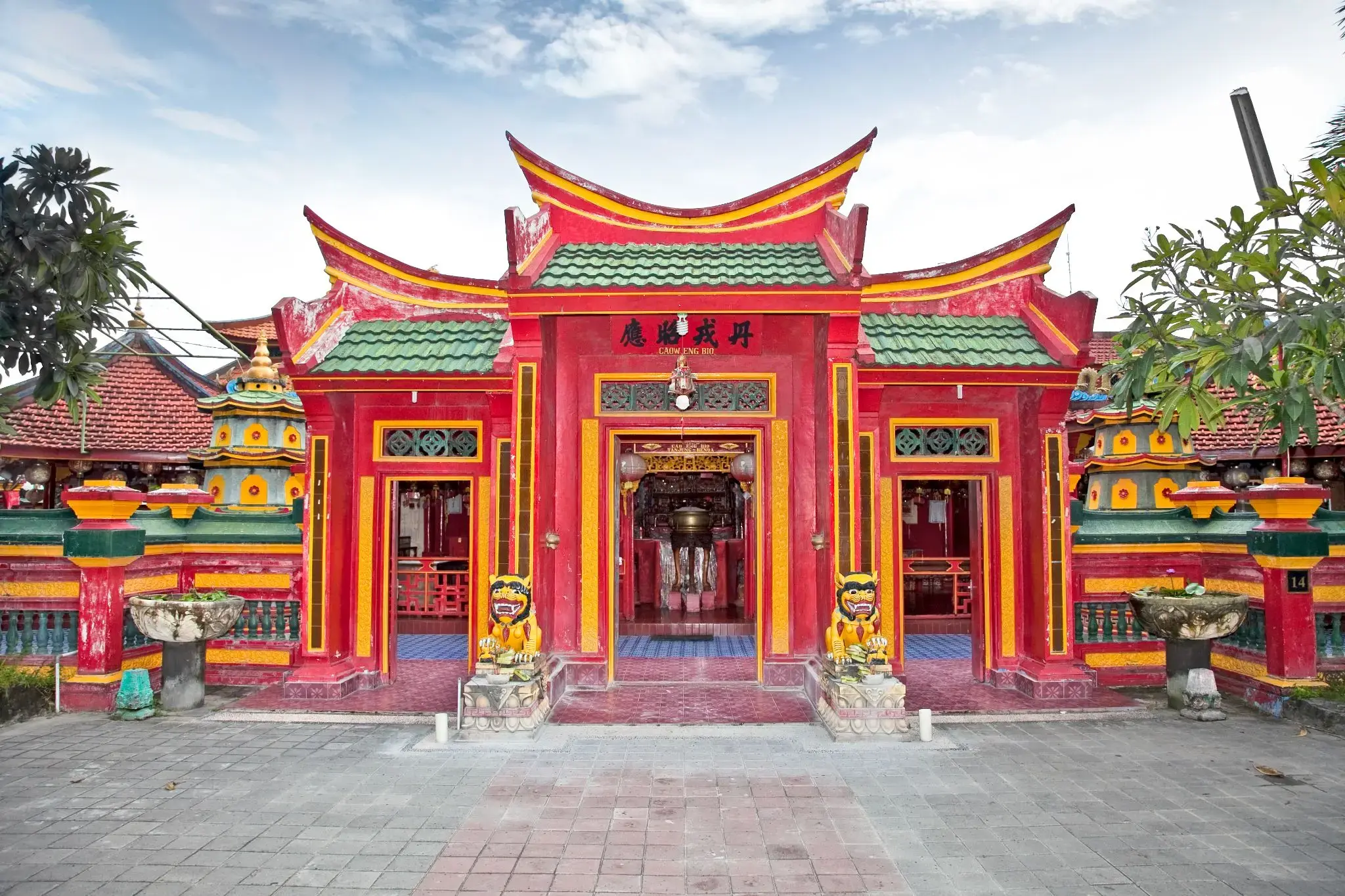
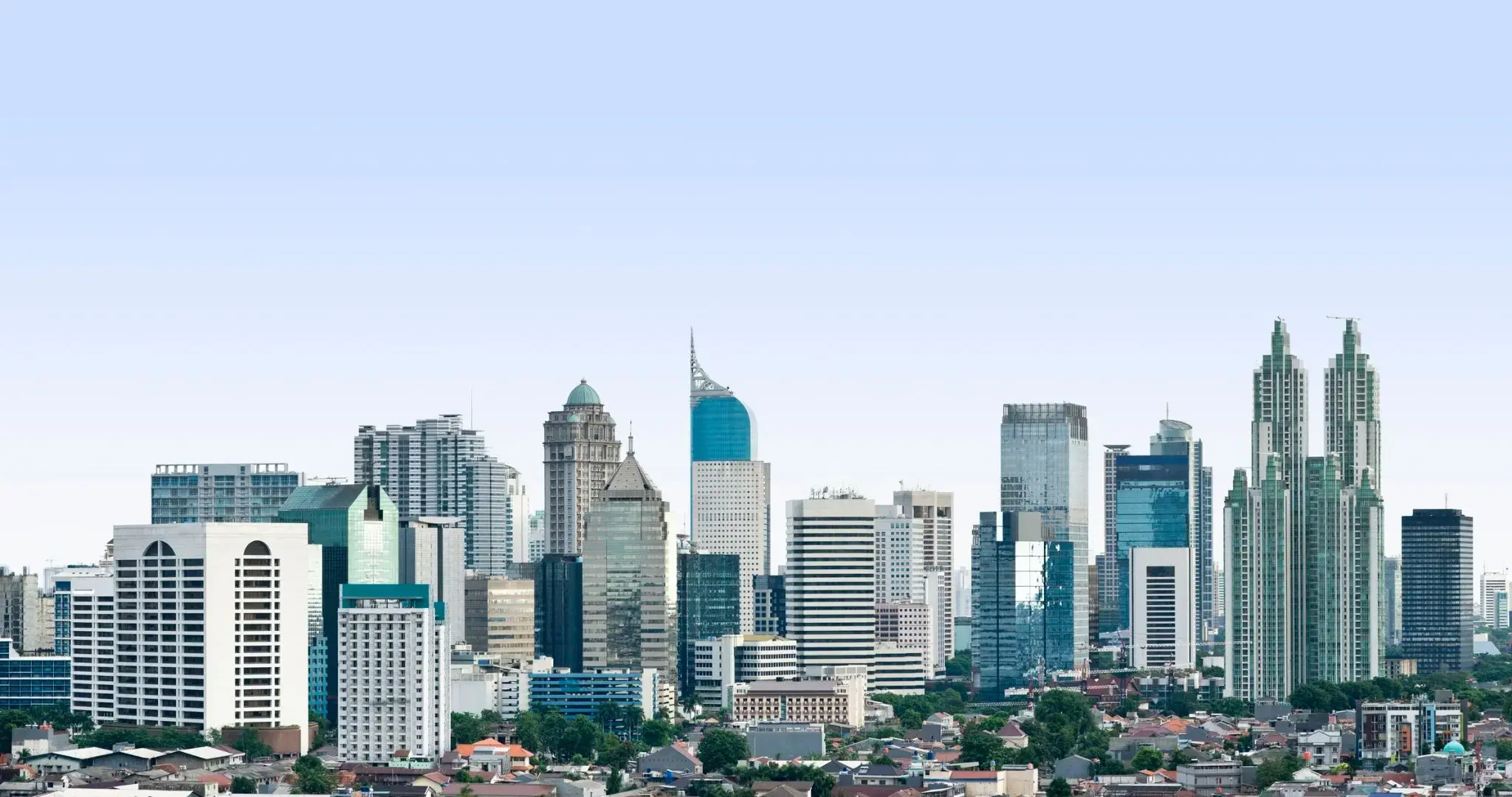
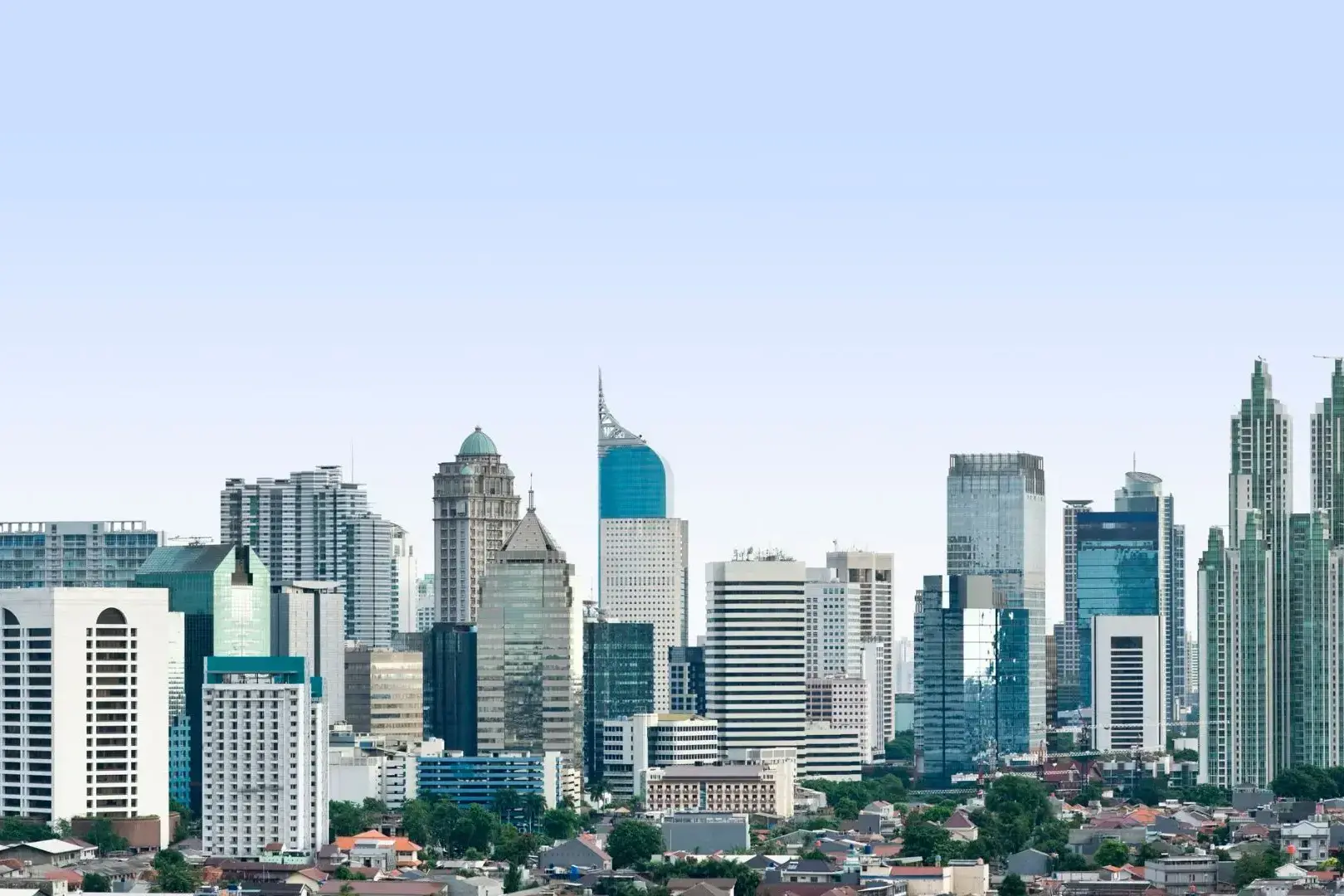
Amidst the endless city lights, Jakarta emerges as a true metropolis of contrasts, where modern skyscrapers stand alongside ancient temples and open-air markets. This city is a real cultural kaleidoscope: Chinese quarters, colonial architecture, and modern business centers blend here in an amazing harmony. Tourists can stroll through the old Kota Tua district, where Dutch-era buildings have been preserved, and then head to modern shopping malls offering goods from around the world.
Food lovers will be delighted by the diversity of dishes, as Jakarta is famous for its street food — aromatic satay, nasi goreng, and fresh seafood are must-tries. For those seeking cultural experiences, the city offers museums, theaters, and art galleries. This is a place where you can feel the pulse of modern Indonesia while touching its rich heritage.
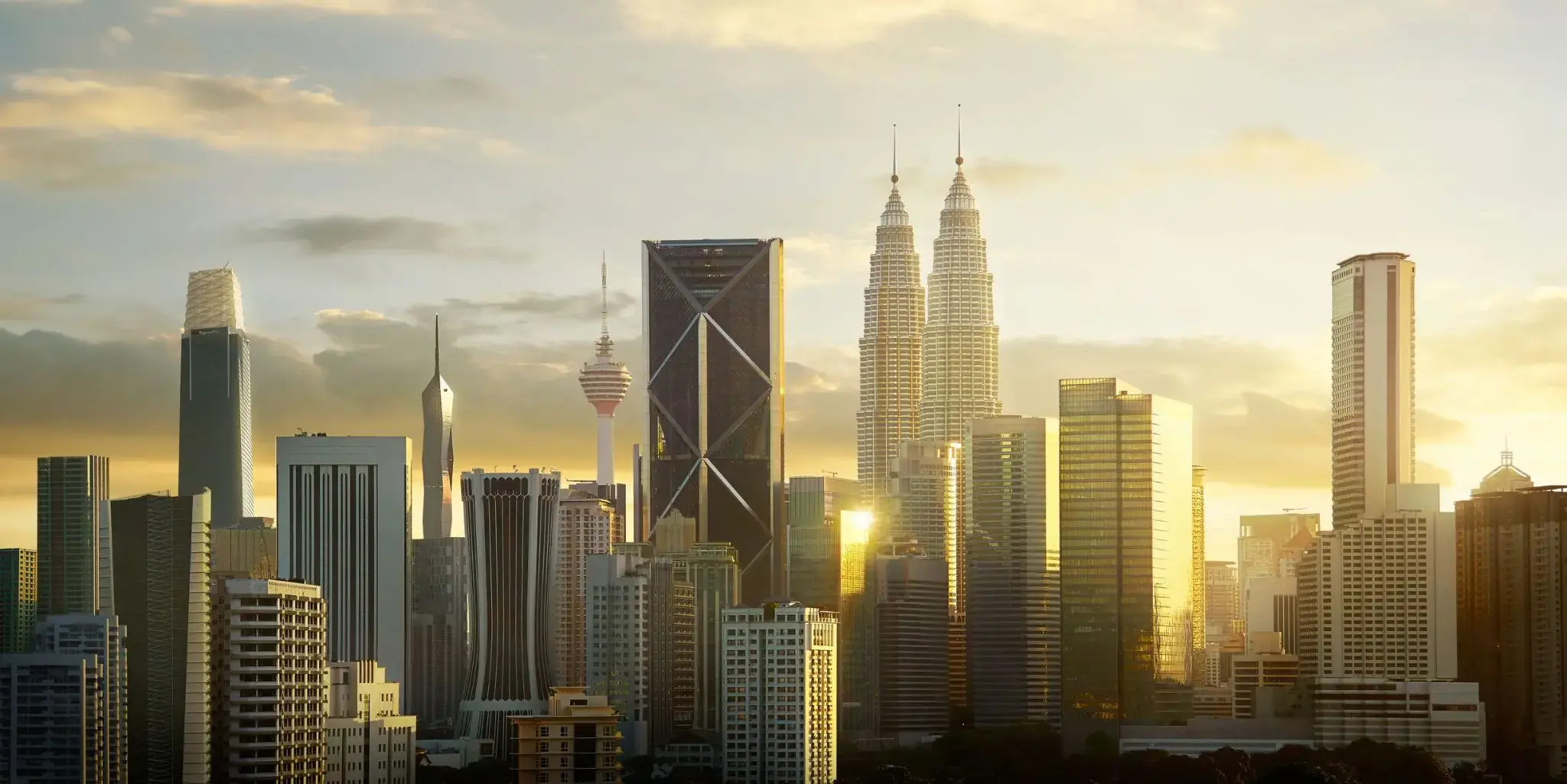
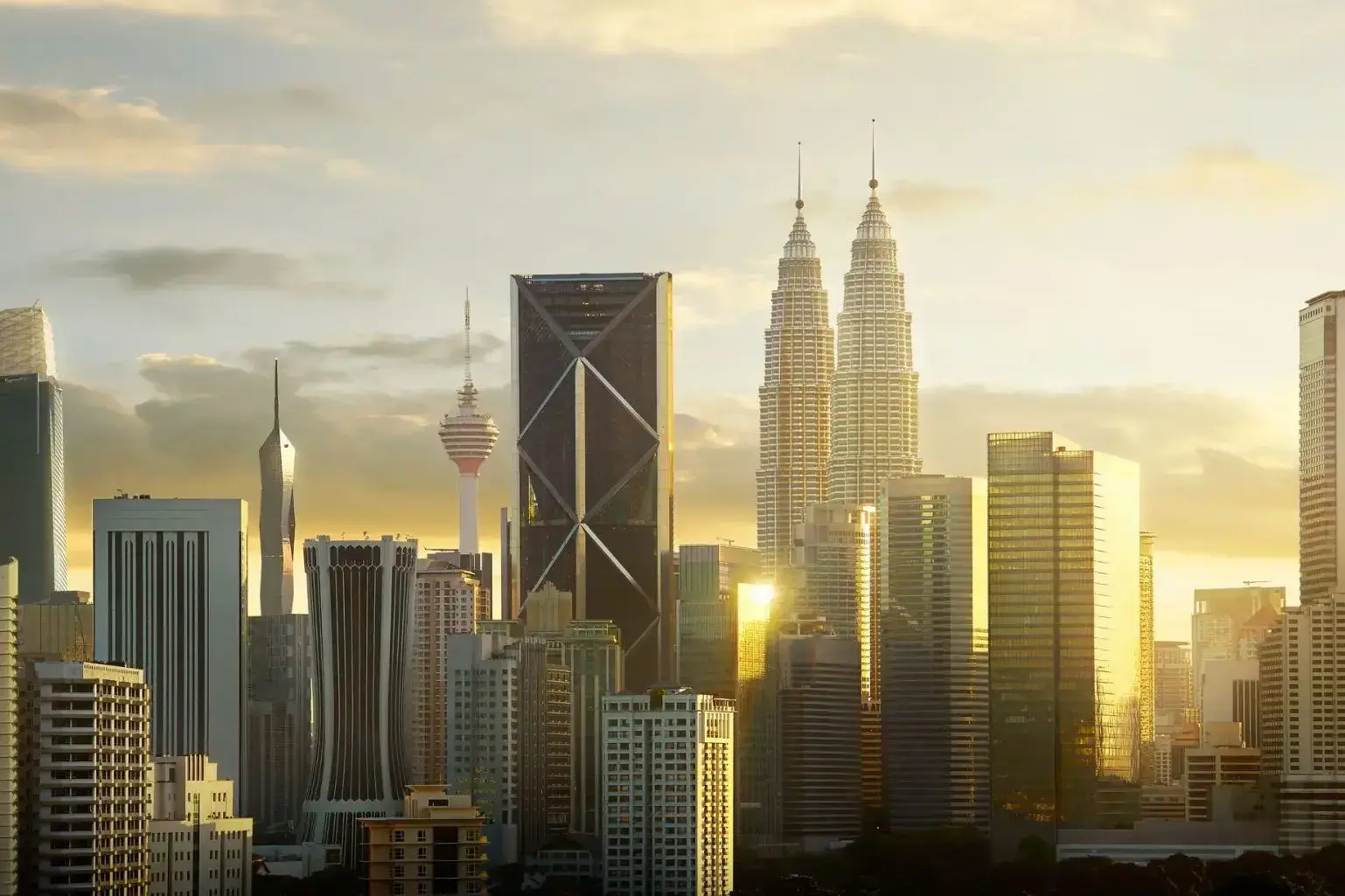
Kuala Lumpur is the dynamic capital of Malaysia, where futuristic skyscrapers stand alongside colonial buildings and traditional markets. The city emerged in the mid-19th century at the confluence of the Klang and Gombak rivers as a mining settlement and has since evolved into the nation's largest economic and cultural hub. Its iconic landmark is the Petronas Twin Towers, once the tallest buildings in the world, which remain a symbol of Malaysian progress and innovation.
For tourists, Kuala Lumpur offers a diverse array of experiences: from a morning stroll through the colonial-era Merdeka Square to evening shopping in the ultra-modern Bukit Bintang district. Visitors can explore the Islamic Arts Museum, savor street food in the Jalan Alor area, visit the Hindu temple in the Batu Caves, or relax under tropical trees in the Lake Gardens. The city, enriched by Malay, Chinese, and Indian cultures, invites exploration through its architecture, cuisine, and the rhythm of contemporary life.
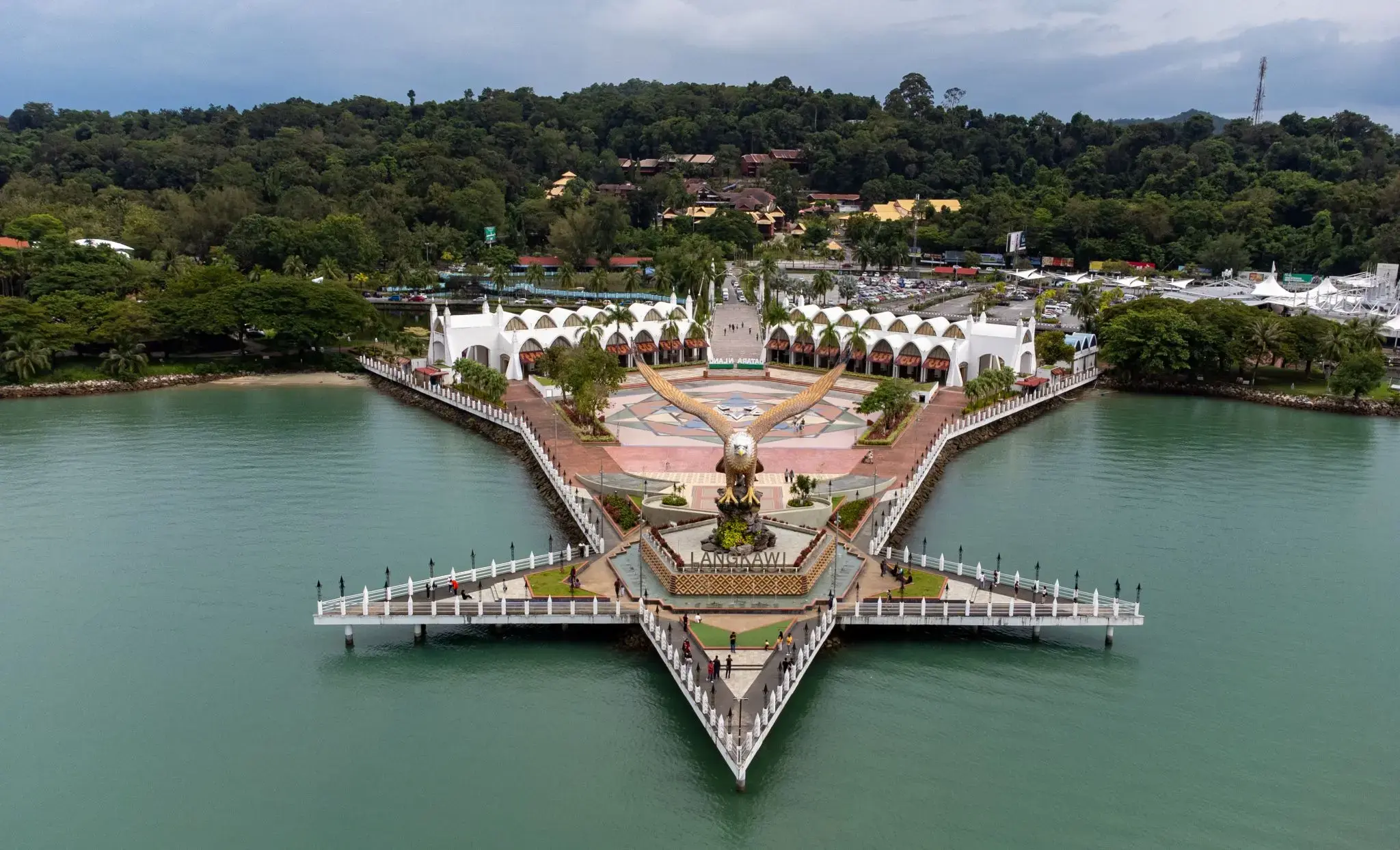
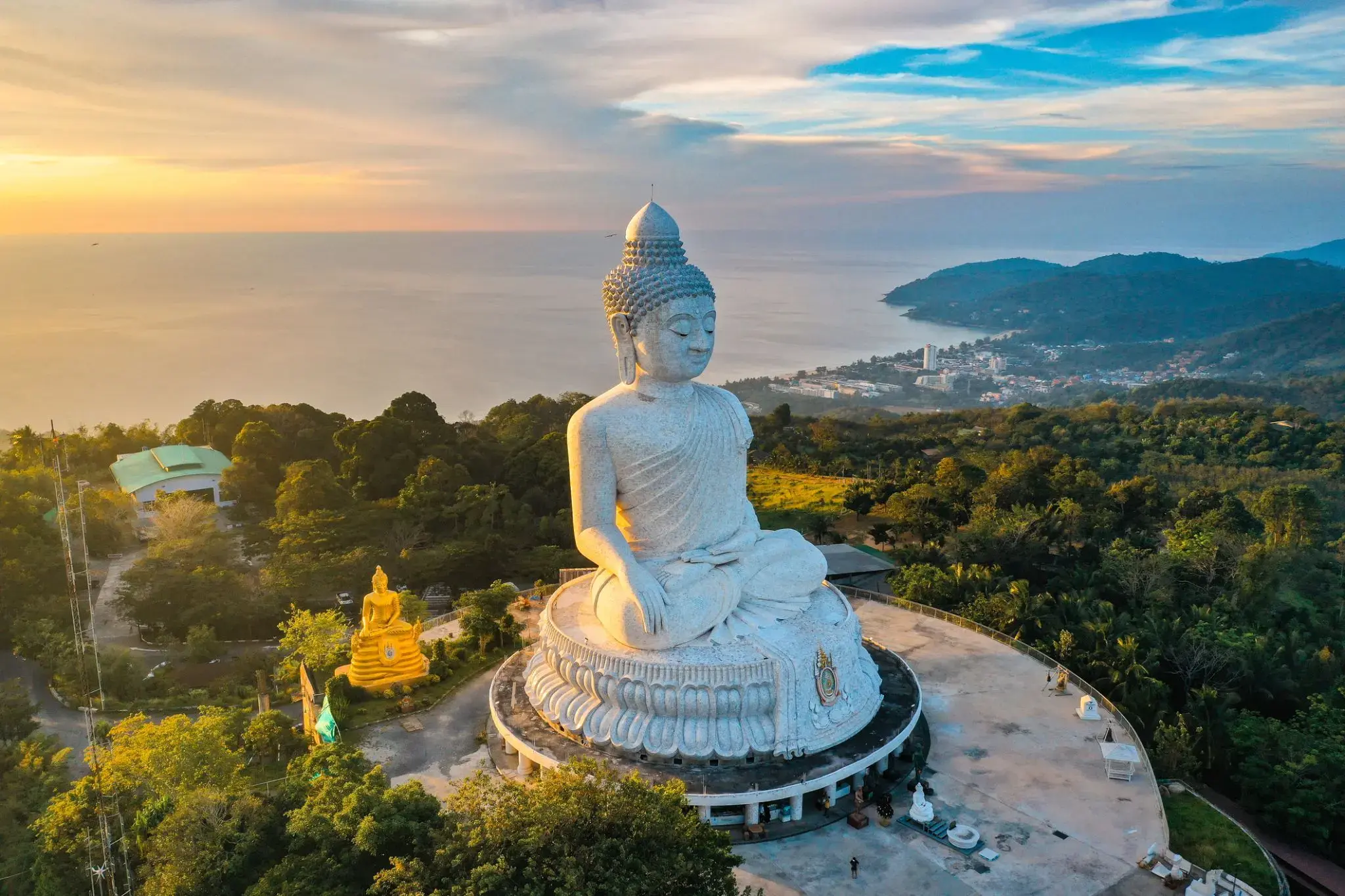
Phuket is one of the southern provinces (changwat) of Thailand. It consists of the island of Phuket, the country's largest island, and another 32 smaller islands off its coast. It lies off the west coast of Thailand in the Andaman Sea. Phuket Island is connected by the Sarasin Bridge to Phang Nga Province to the north. The next nearest province is Krabi, to the east across Phang Nga Bay.
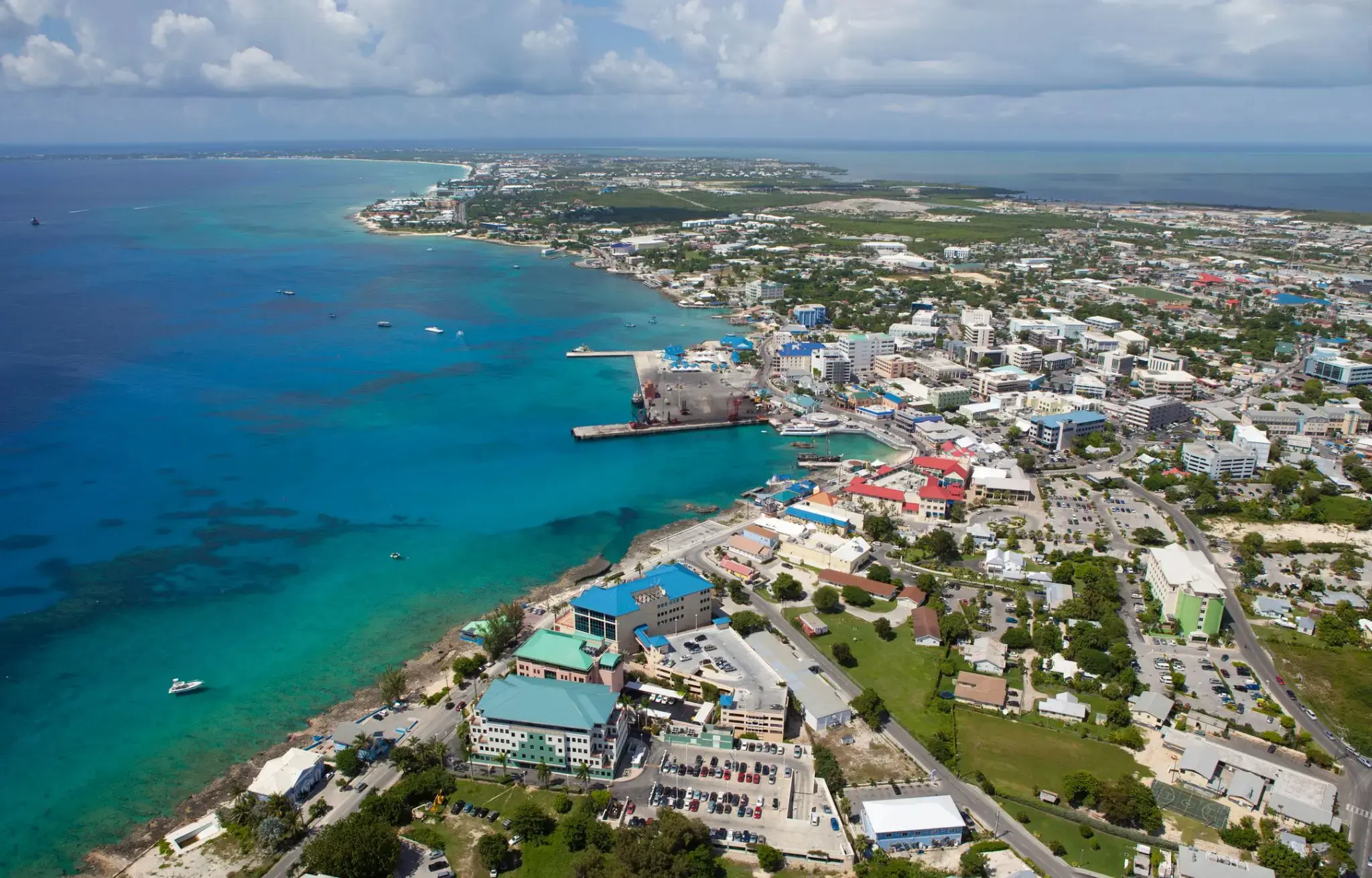
Georgetown is the capital of the Cayman Islands, located on Grand Cayman Island in the Caribbean Sea. This picturesque city is known for its beautiful beaches, crystal-clear waters, and cozy atmosphere. The heart of Georgetown features a vibrant waterfront with shops, restaurants, and cafes, where visitors can enjoy local delicacies and buy products from local artisans. The city is also famous for its colonial architecture and historic buildings, with notable landmarks like the old Catholic Church of St. Theresa and the Cayman Islands Museum, where visitors can learn more about the culture and history of the region.
For those seeking adventure, Georgetown does not disappoint. The local waters hide coral gardens, where visitors can encounter not only fish but also majestic sea turtles with whom they can swim. Snorkeling and diving in these areas are not just activities but a chance to witness the pristine ecosystem of the Caribbean Sea. History and nature enthusiasts can explore routes across the island, passing through its green corners, ancient reefs, and waterfalls, offering the perfect blend of natural exploration and cultural discovery.

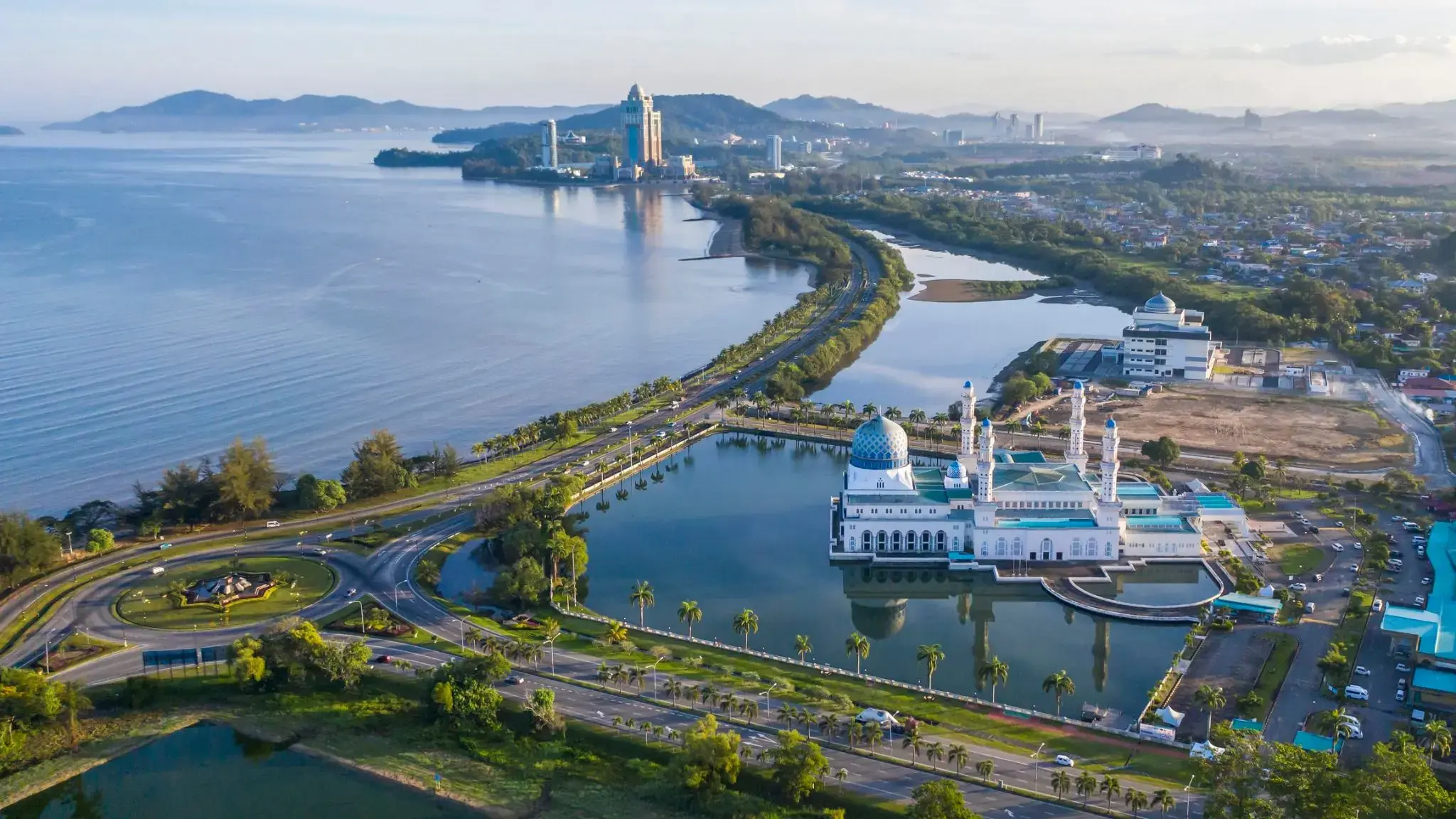
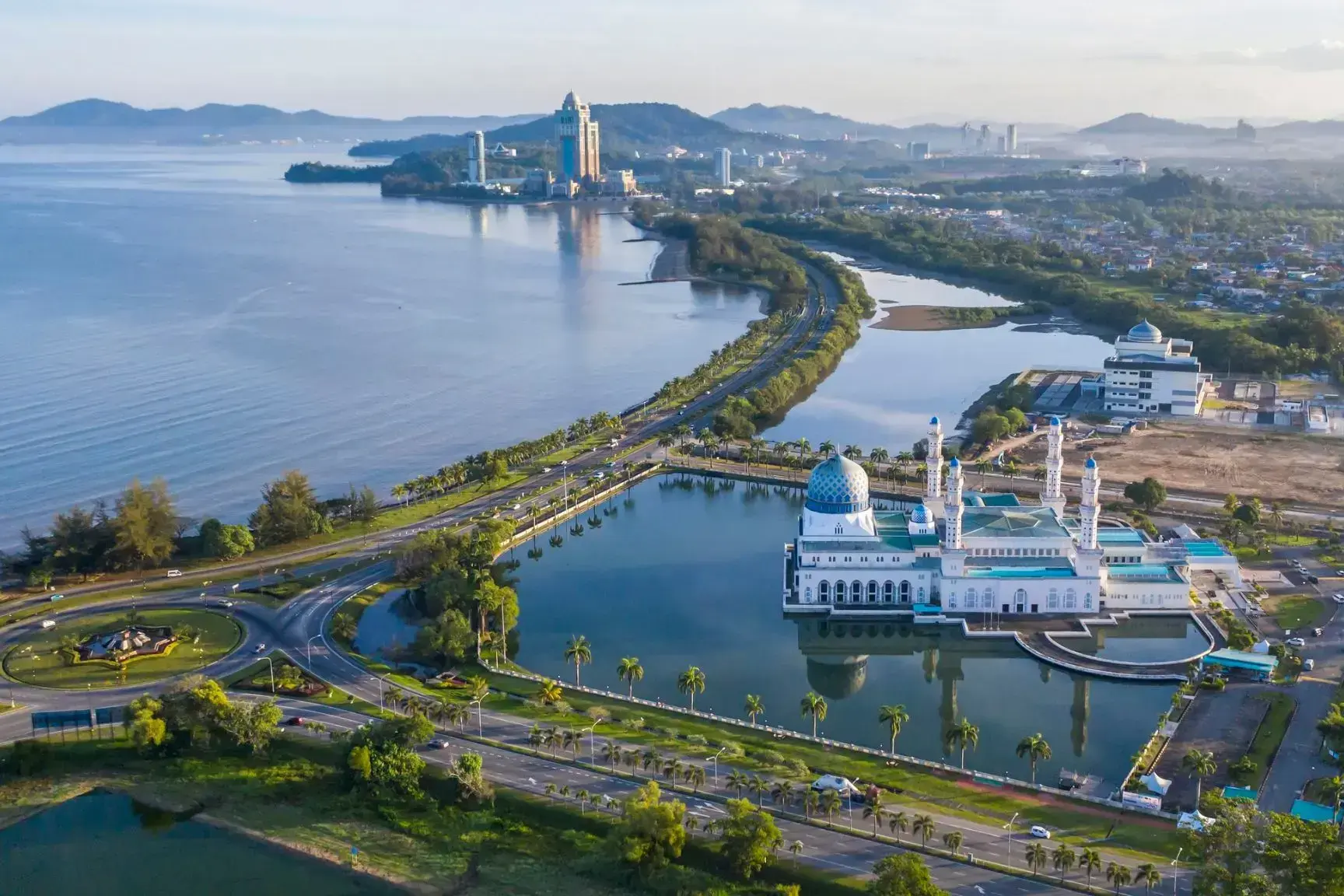
Kota Kinabalu, formerly known as Jesselton, is the capital of Sabah state and the Kota Kinabalu District in Malaysia. Located on the northwest coast of Borneo facing the South China Sea, the city is near the Tunku Abdul Rahman National Park and Mount Kinabalu, which inspired its name. The metropolitan area has a population of over 600,000.
In the 15th century, the area was influenced by the Bruneian Empire. In the 19th century, the British North Borneo Company established a settlement called Jesselton, which was heavily damaged during World War II. After the war, it became the capital of North Borneo and was renamed Kota Kinabalu in 1967. The city gained official city status in 2000.
Today, Kota Kinabalu is a major industrial and tourist hub in East Malaysia and a popular gateway for travelers visiting Sabah and Borneo. Its rapid growth is driven by tourism and economic development.
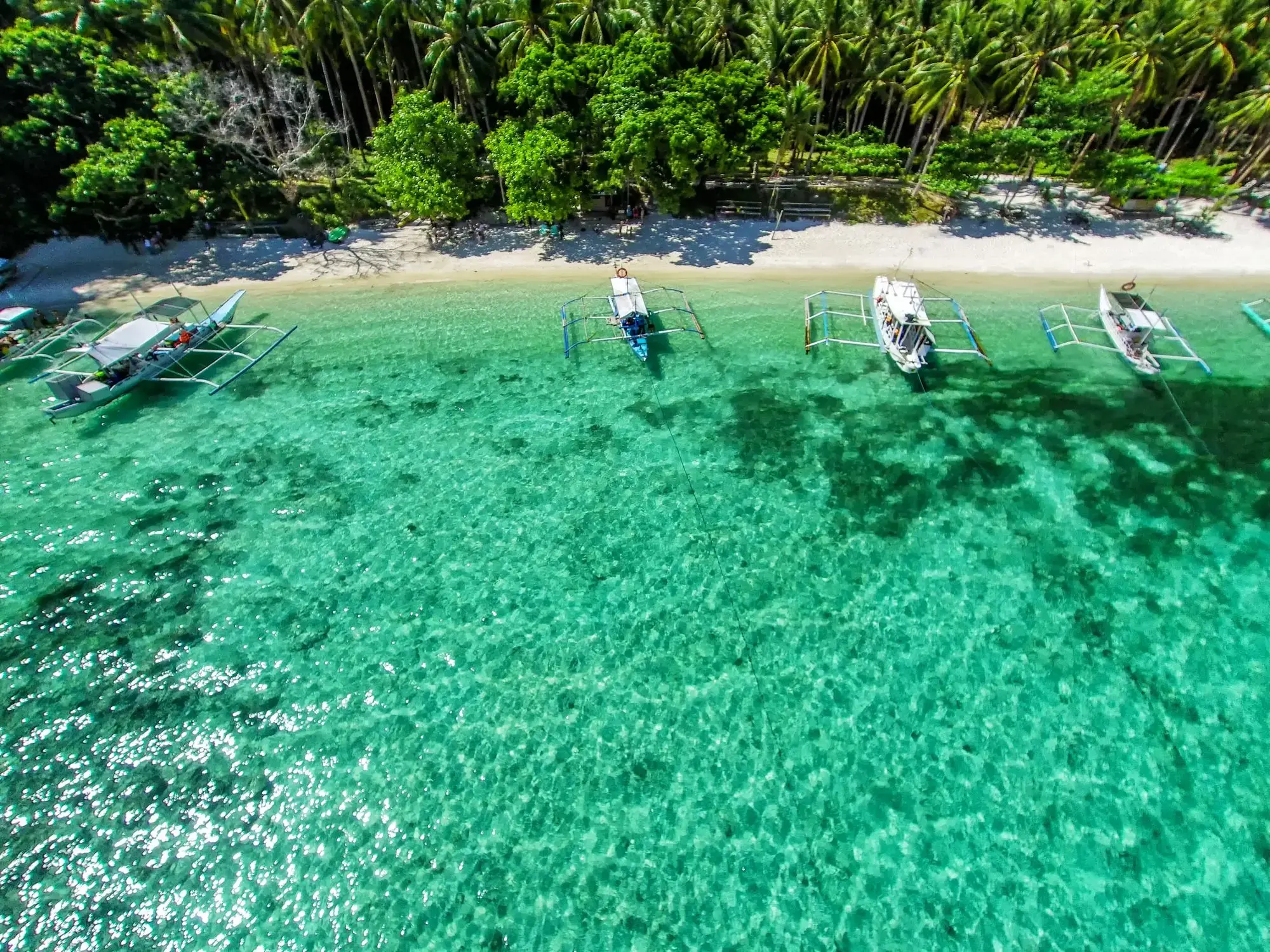
Puerto Princesa is a city on the island of Palawan in the Philippines, widely known for one of the natural wonders of the world — the Puerto Princesa Underground River, a UNESCO World Heritage Site. This subterranean system of caves and rivers, passing through limestone formations, attracts travelers from around the globe with the opportunity to ride a boat along the river and see stalactites, stalagmites, and a unique ecosystem. The city also serves as a starting point for exploring the breathtaking nature of Palawan: tropical forests, coastlines, and nature reserves.
In addition to its natural attractions, Puerto Princesa is known for its clean streets, friendly atmosphere, and well-developed tourist infrastructure. Here you can taste fresh seafood, visit night markets, or go on island-hopping tours in Honda Bay. The city actively promotes ecotourism, maintaining a balance between development and environmental preservation. For travelers seeking a combination of adventure, relaxation, and immersion in Filipino culture, Puerto Princesa is becoming an increasingly attractive destination.
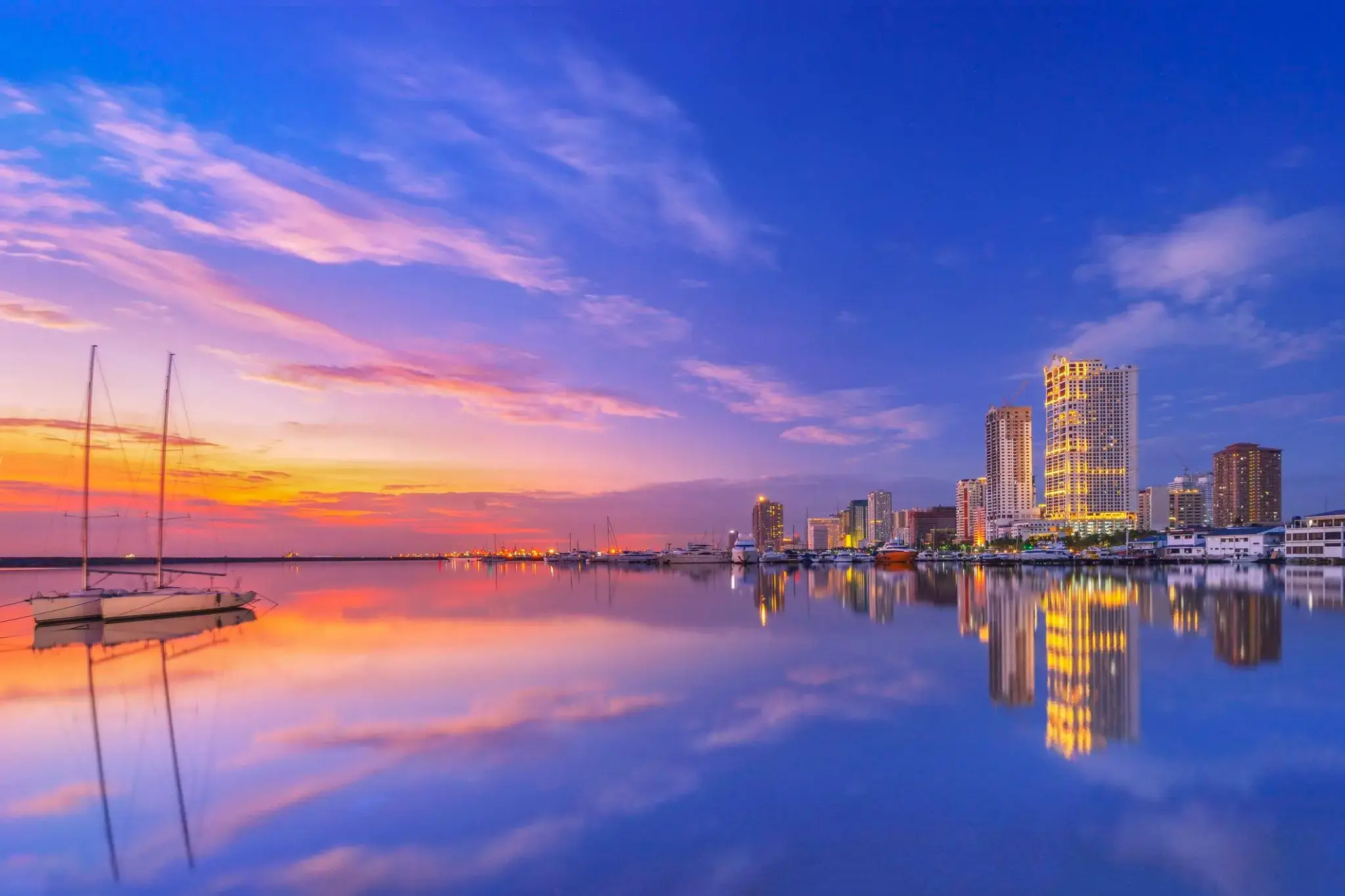
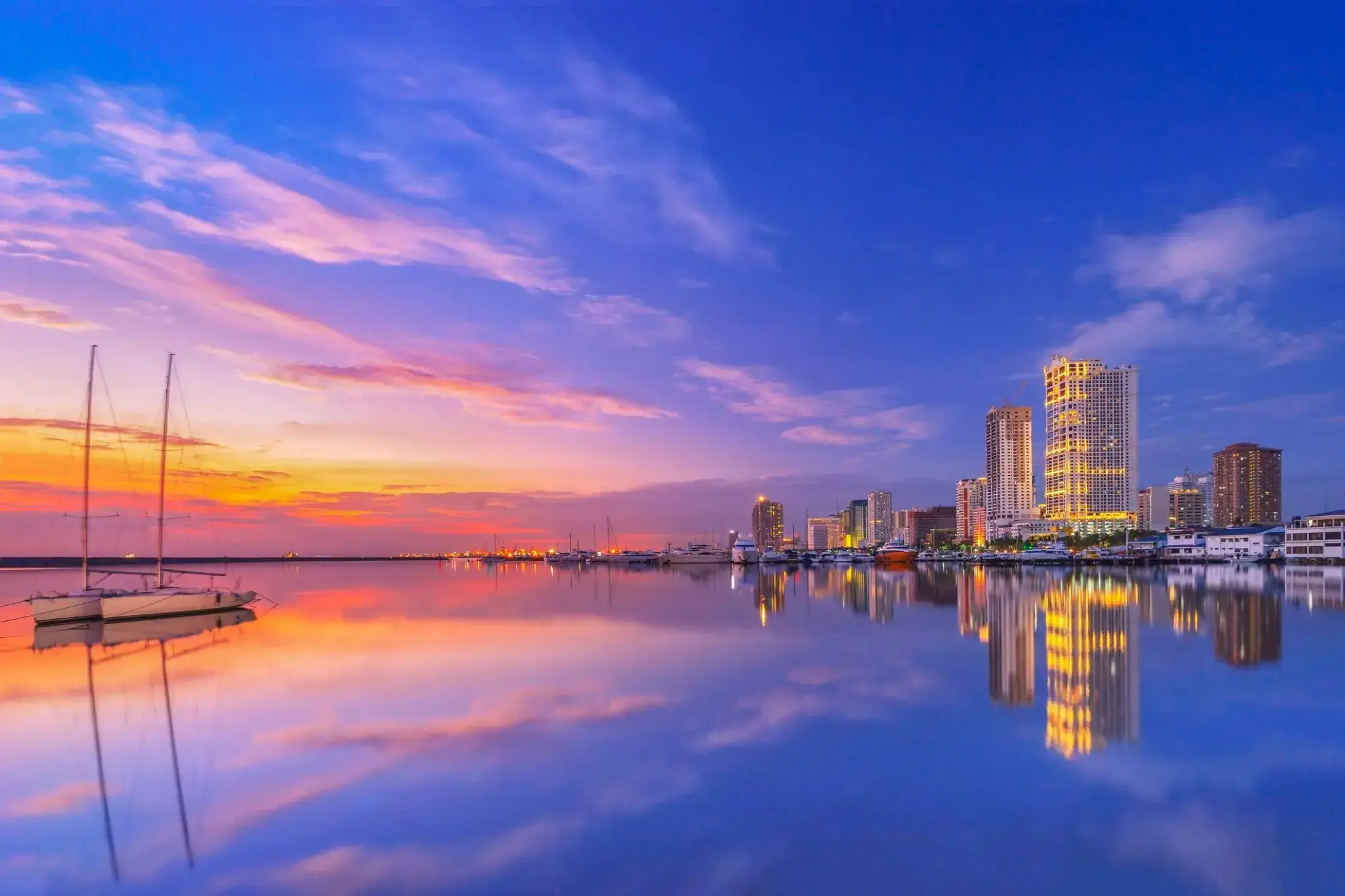
Manila, the capital of the Philippines, is located on the shores of Luzon Island and bordered by Manila Bay. Within the old city of Intramuros, built by the Spanish in 1571, you can find preserved Spanish architectural monuments and churches. The city is also home to the country's main port, which plays a vital role in the Philippine economy. Manila is famous for industries such as chemical, electronics, textiles, food production, and tobacco manufacturing.
For tourists, the Chinatown district is particularly interesting, where pearl and gold products can be purchased. Visitors can also explore various museums and basilicas and enjoy the beauty of Rizal Park. Moreover, Manila is a shopping paradise, offering all the world-famous brands at prices significantly lower than those in Europe.
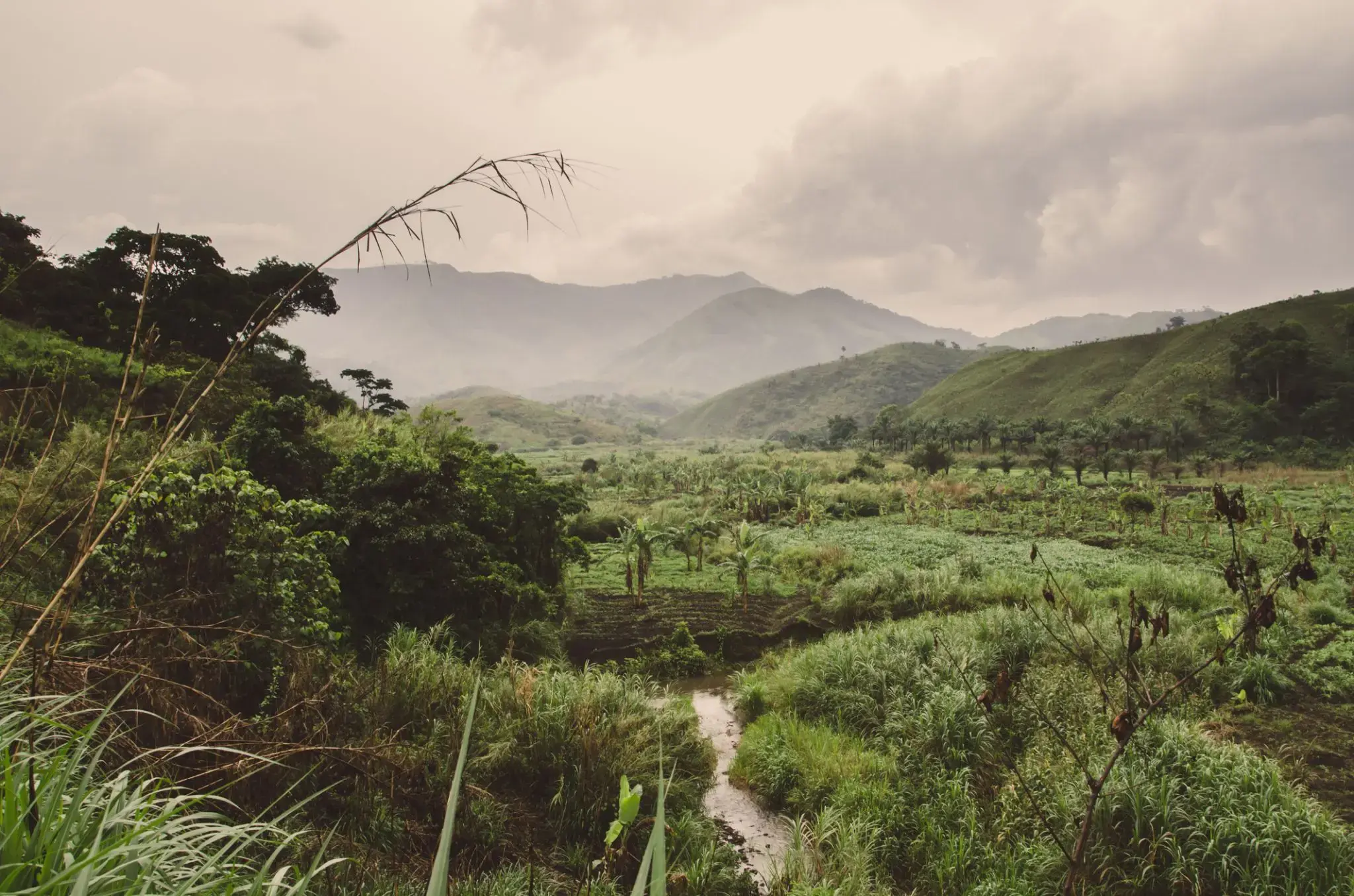
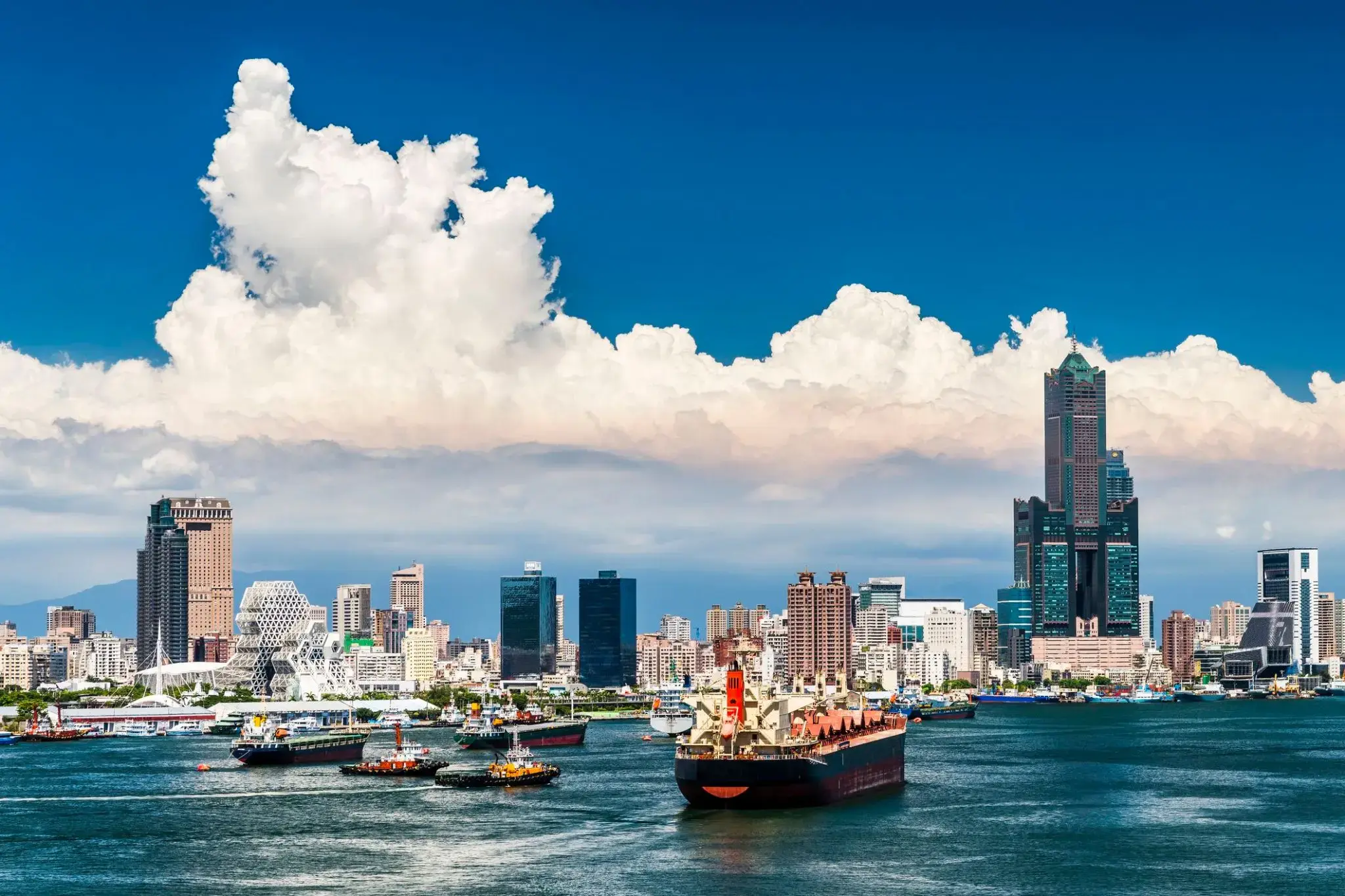
Kaohsiung — The Maritime Gateway to Taiwan with the Heart of a Megacity and the Soul of the Tropics
Welcome to Kaohsiung — a vibrant city on Taiwan's southern coast, where the energy of the port blends seamlessly with the peaceful atmosphere of the ocean. Not just an industrial hub, but a cultural center that impresses with its mild climate, abundant nature, and lively atmosphere. In 2009, Kaohsiung hosted the World Games, solidifying its status as an important international hub. Here, the sun shines almost every day, and the horizon, where mountain ridges, bays, and modern buildings meet, never fails to captivate.
Travelers will find a wealth of experiences: from tranquil walks along the Love River to breathtaking views from the summit of Mount Shoushan. The city also offers immense cultural diversity, from the ancient streets of the Zuoyin district to the village of Meinong, where traditional crafts can be admired. Kaohsiung is not just a place on the map; it's a journey into an atmosphere where nature, history, and modernity blend into a unique experience.
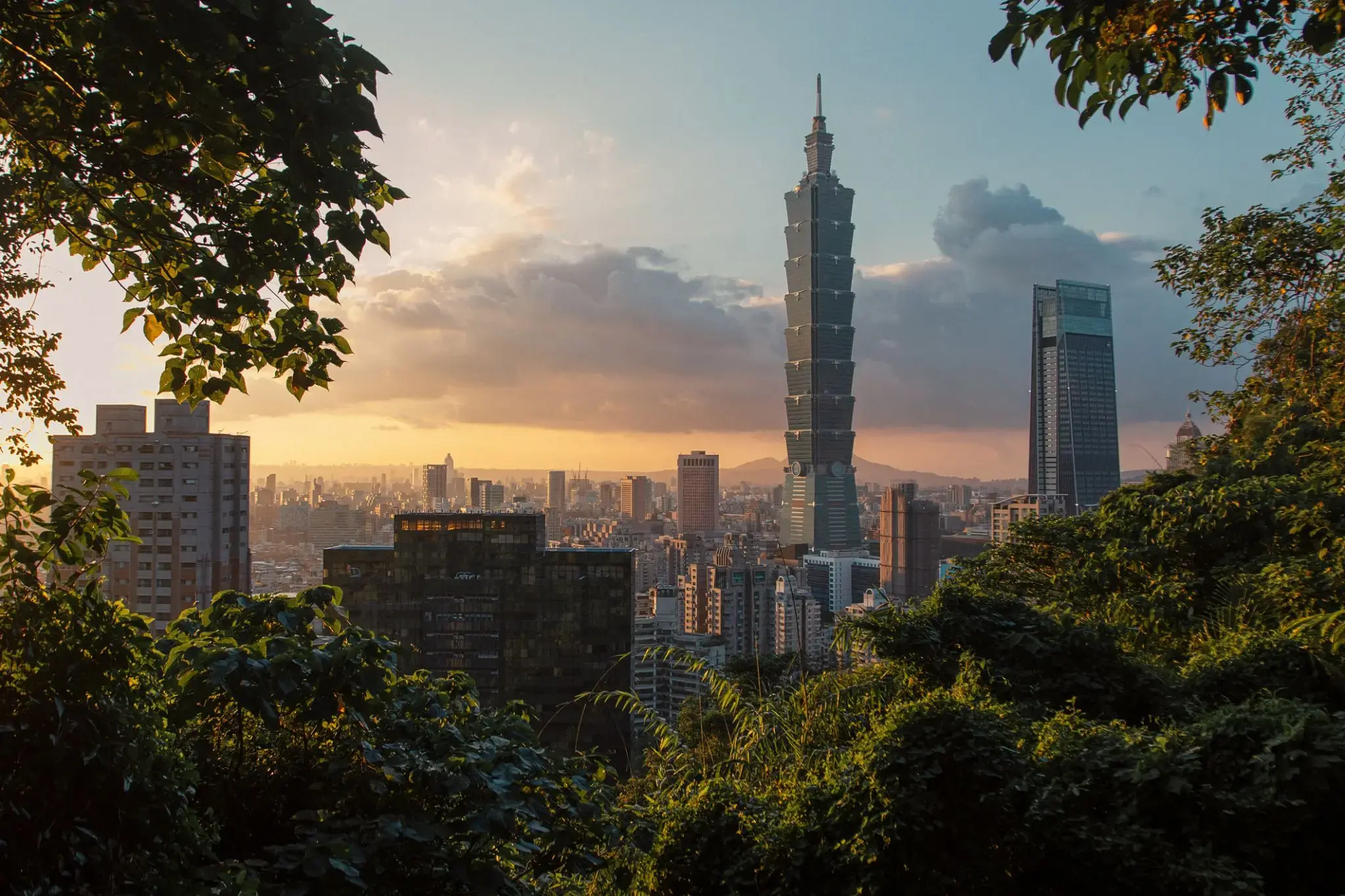
Taiwan it is a state in East Asia. It includes the neighbors of the Republic of China and the Philippines to the south. It is not a member of the United Nations.
The island of Taiwan was formerly known as the island of mass migration. The island was annexed in 1683 by the Qing dynasty, the last dynasty. The Qing ceded Taiwan to Japan in 1895 after the Sino-Japanese War. The Republic of China (ROC) was established after the fall of the Qing dynasty. The following is the Japanese surrender to the Allies in 1945; However, it’s not a problem, but it’s not a problem. It has been up to 99% of its de facto territory. The United States of America is the United States of America in the United States of America until 1971, when it’s lost.

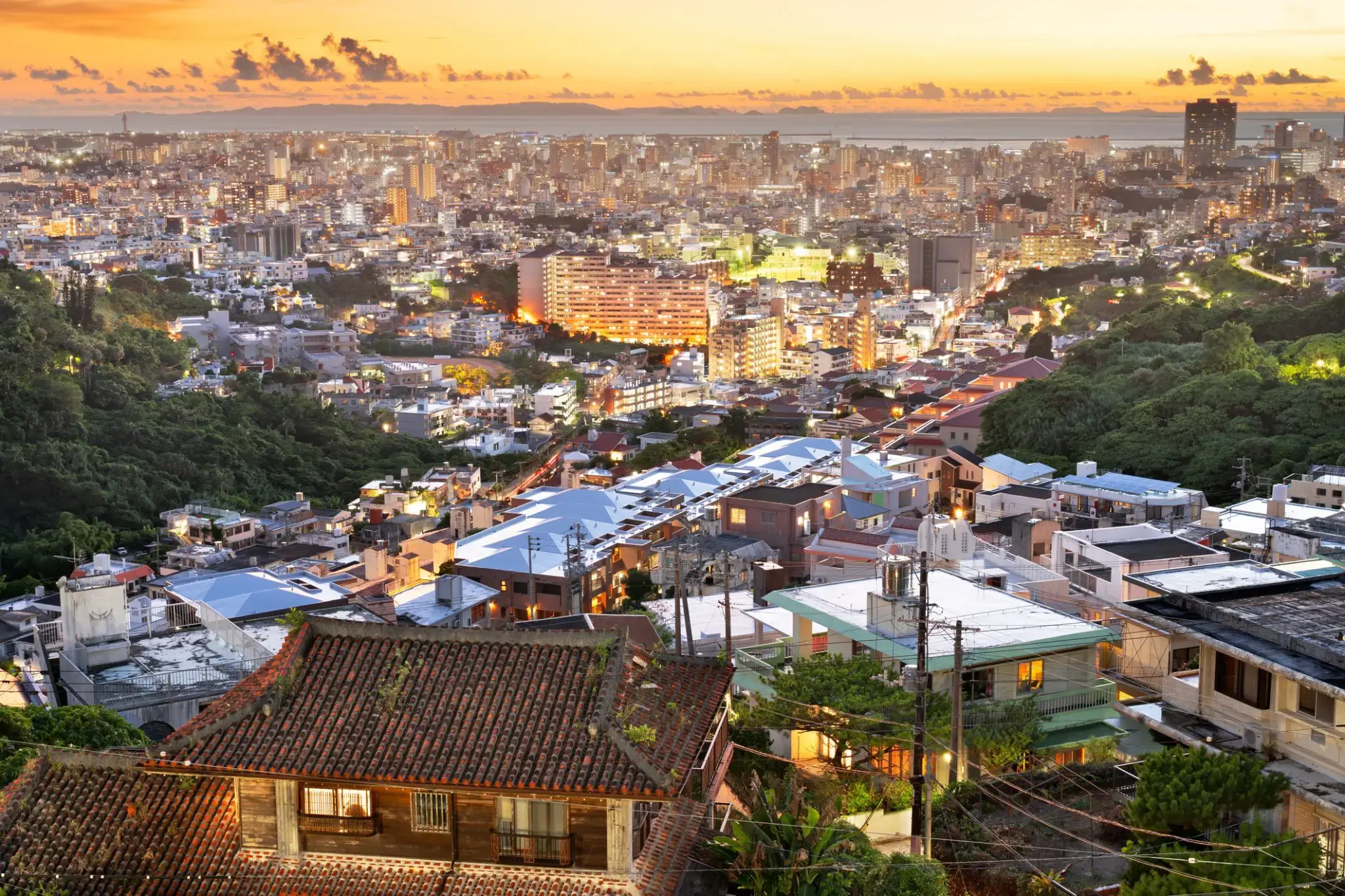
Naha — Gateway to Ryukyu Culture and the Rhythms of Tropical Japan
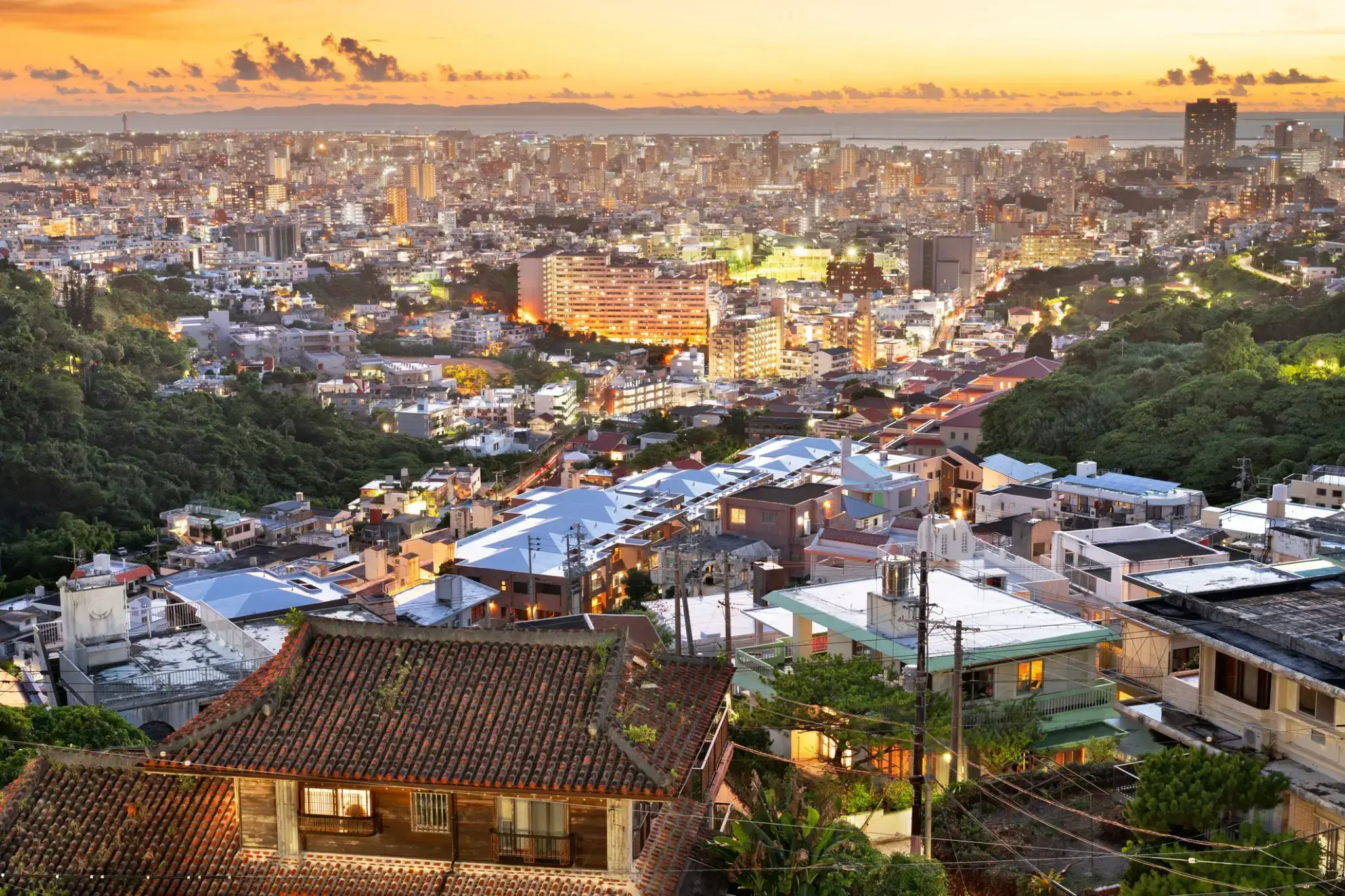
Naha is the main city on Okinawa Island and the cultural heart of the former Ryukyu Kingdom. Despite its modern buildings and busy streets, the city carefully preserves traces of its unique past. One of the main attractions is Shuri Castle — the historic residence of Ryukyuan kings and a UNESCO World Heritage Site, partially restored after a fire in 2019. Naha is also home to the famous Kokusai Street — a hub of shopping, food, and entertainment, where visitors can sample traditional Okinawan dishes and purchase locally made crafts.
The city enjoys a warm climate year-round and serves as a starting point for trips to the white-sand beaches and coral reefs of the southern islands. Near the city center lies Fukushu-en Park — a picturesque Chinese-style garden that reflects the historical ties between Okinawa and China. The Matsuyama market and the historic Tsuboya district, known for its pottery, offer a glimpse into daily island life. Naha blends history, cuisine, and a laid-back island vibe unlike any other part of Japan.
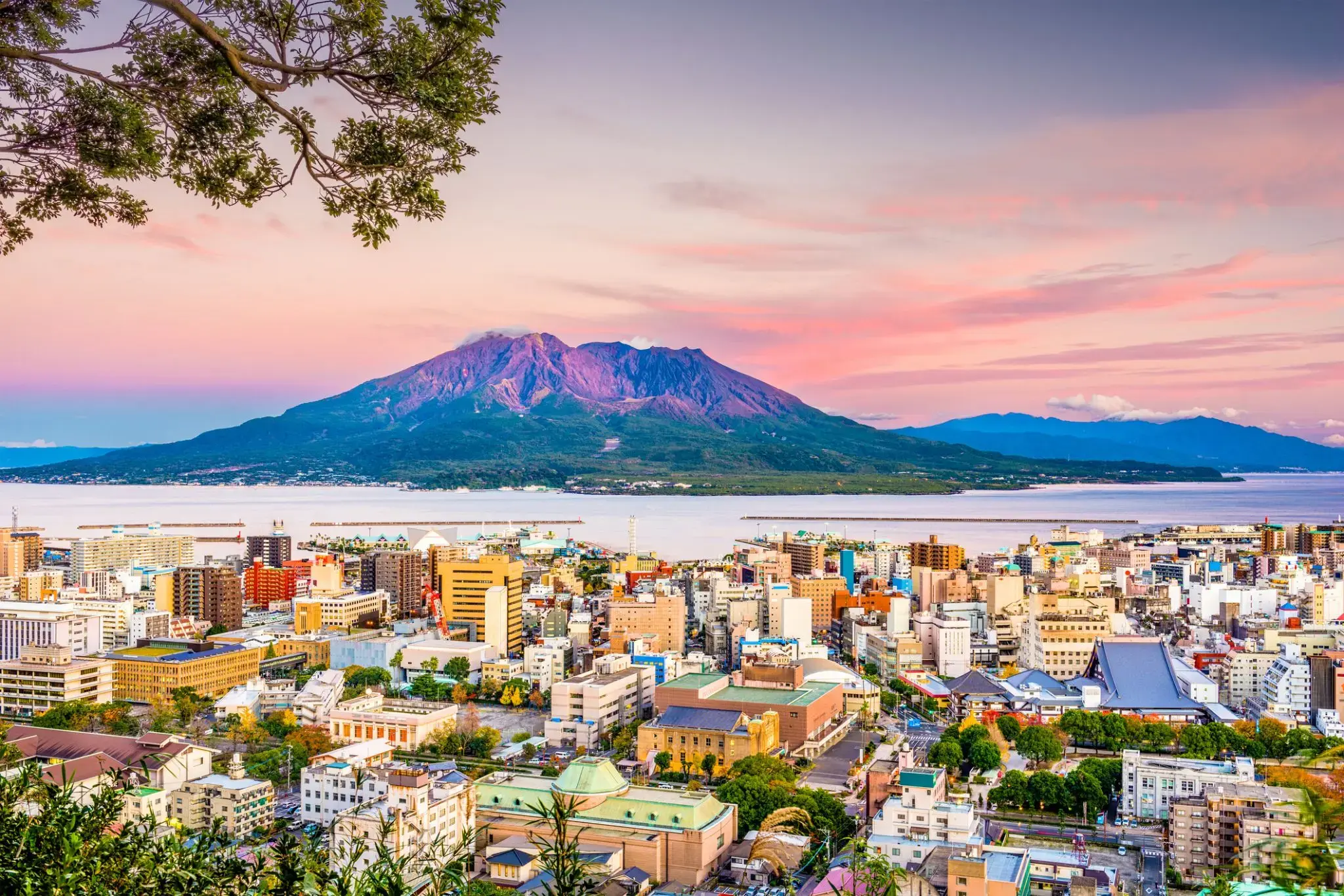
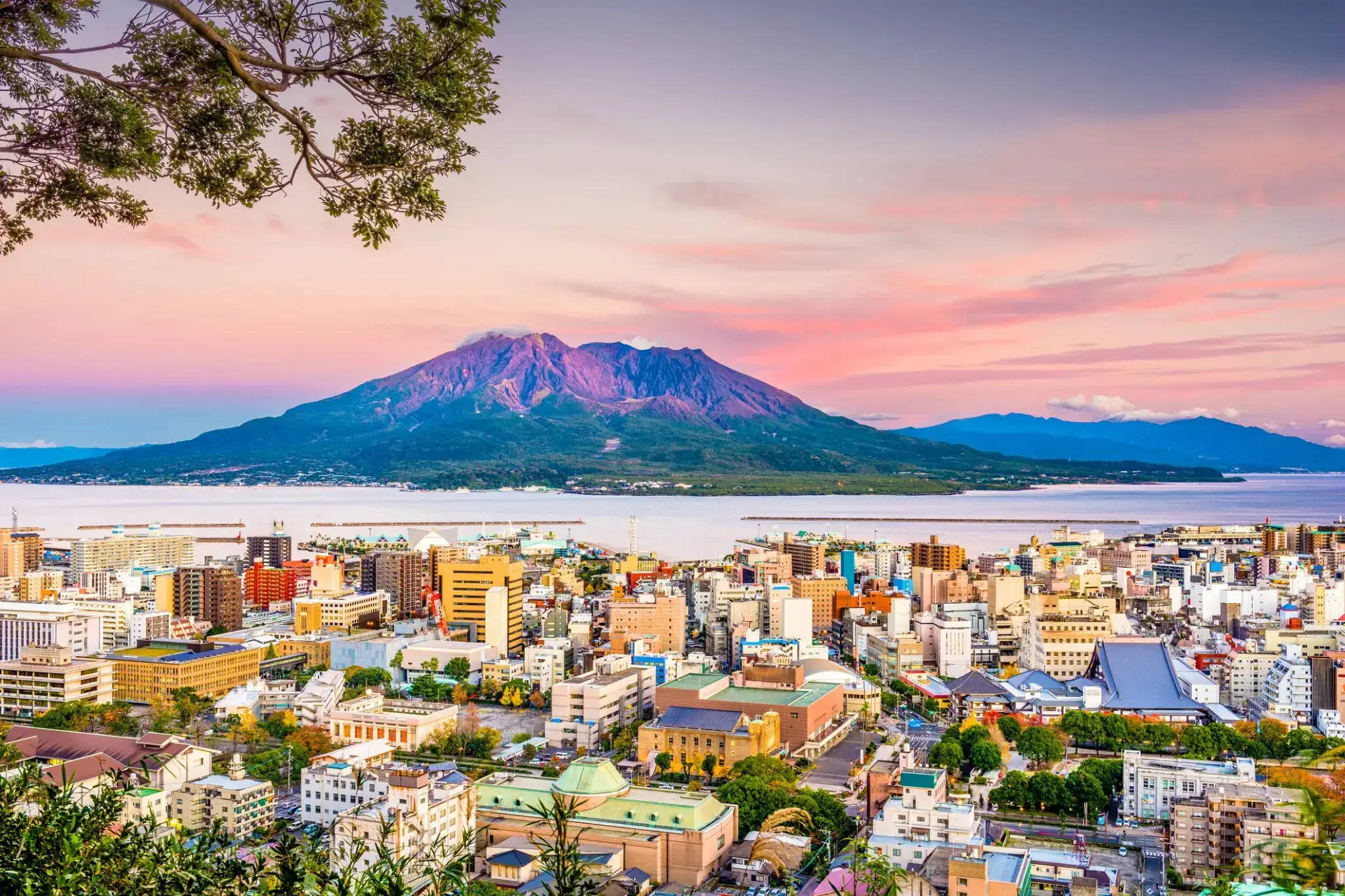
Kagoshima is the capital city of Kagoshima Prefecture at the south western tip of the island of Kyushu in Japan, and the largest city in the prefecture by some margin. It has been nicknamed the "Naples of the Eastern world" for its bay location (Aira Caldera), hot climate, and emblematic stratovolcano, Sakurajima. The city was officially founded on April 1, 1889.
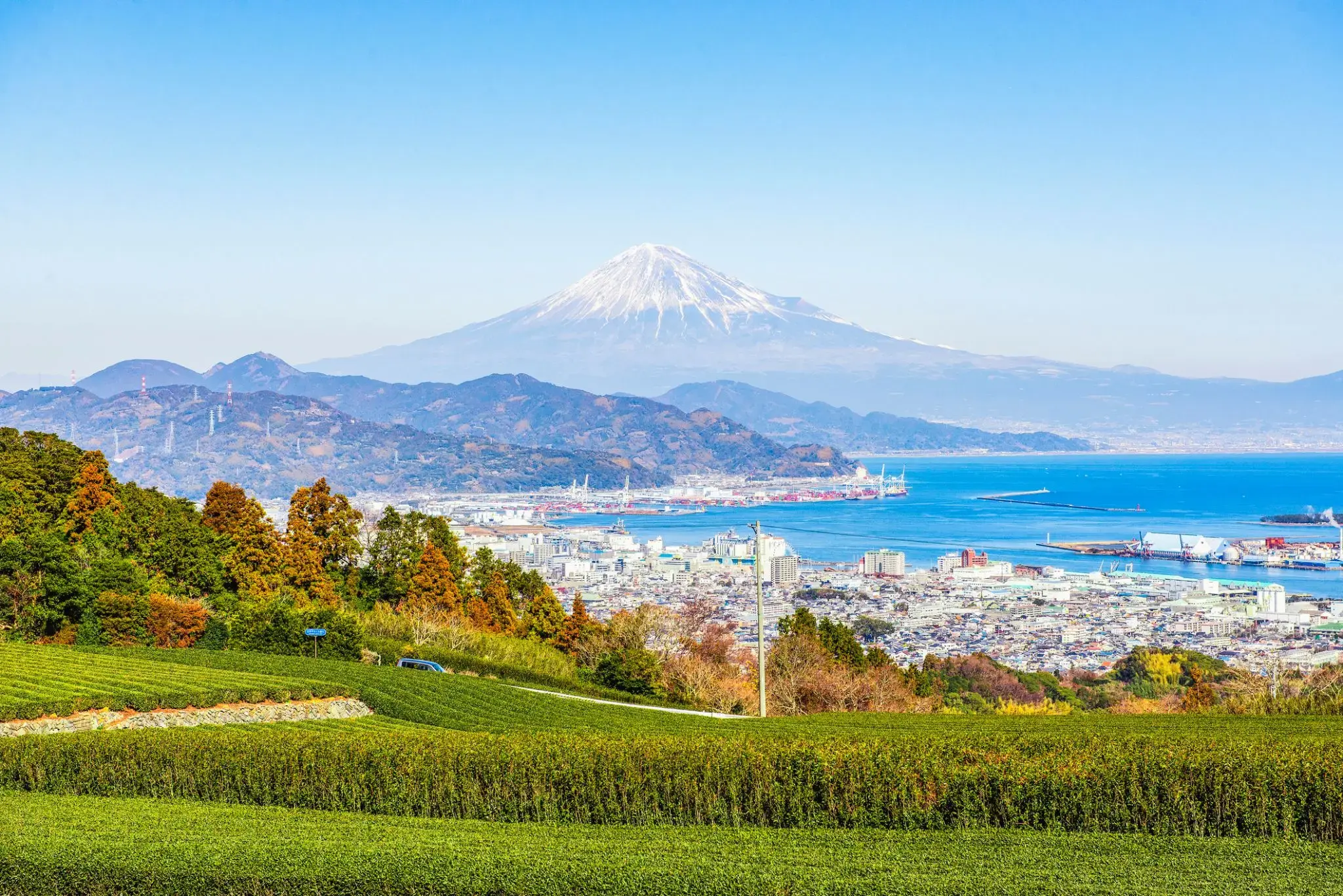
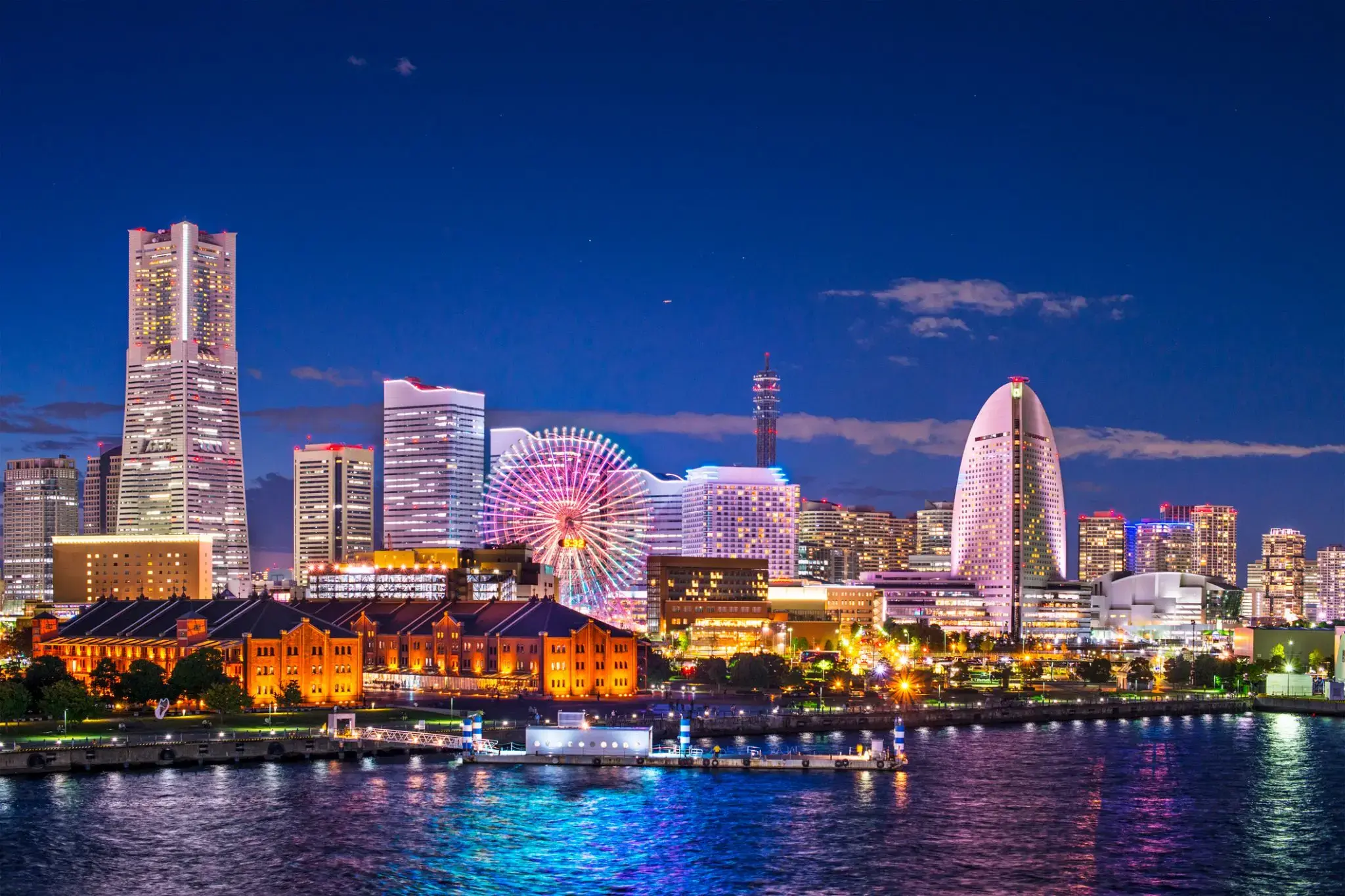
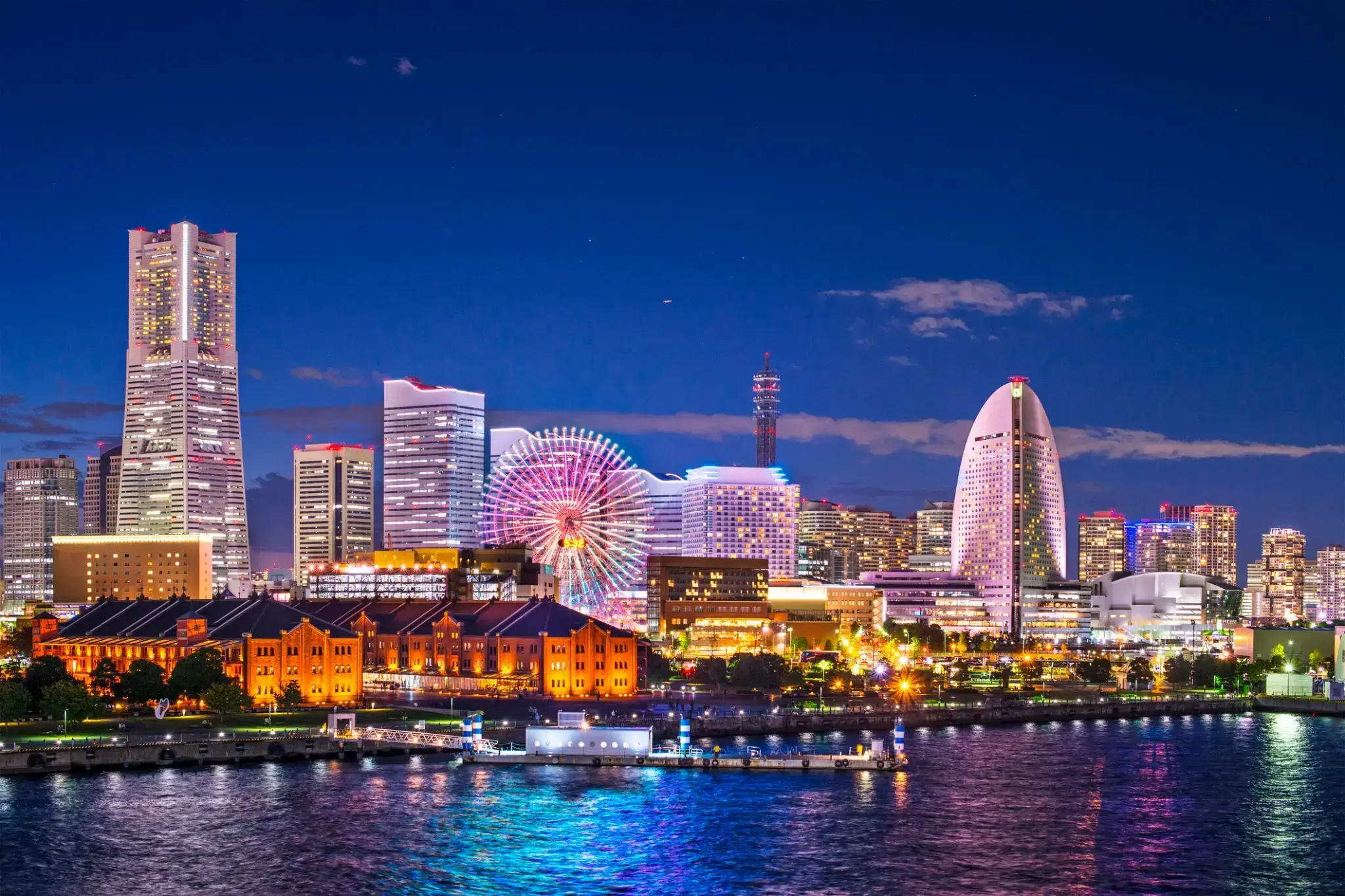
Tokyo, officially Tokyo Metropolis, one of the 47 prefectures of Japan, has served as the Japanese capital since 1869. As of 2014, the Greater Tokyo Arearanked as the most populous metropolitan area in the world. The urban area houses the seat of the Emperor of Japan, of the Japanese government and of the National Diet. Tokyo forms part of the Kantō region on the southeastern side of Japan's main island, Honshu, and includes the Izu Islands and Ogasawara Islands. Tokyo was formerly named Edo when Shōgun Tokugawa Ieyasu made the city his headquarters in 1603. It became the capital after Emperor Meiji moved his seat to the city from Kyoto in 1868; at that time Edo was renamed Tokyo. Tokyo Metropolis formed in 1943 from the merger of the former Tokyo Prefecture and the city of Tokyo. Tokyo is often referred to as a city but is officially known and governed as a "metropolitan prefecture", which differs from and combines elements of a city and a prefecture, a characteristic unique to Tokyo.
The 23 Special Wards of Tokyo were formerly Tokyo City. On July 1, 1943, it merged with Tokyo Prefecture and became Tokyo Metropolis with an additional 26 municipalities in the western part of the prefecture, and the Izu islandsand Ogasawara islands south of Tokyo. The population of the special wards is over 9 million people, with the total population of Tokyo Metropolis exceeding 13.8 million. The prefecture is part of the world's most populous metropolitan area called the Greater Tokyo Area with over 38 million people and the world's largest urban agglomeration economy. As of 2011, Tokyo hosted 51 of the Fortune Global 500 companies, the highest number of any city in the world at that time. Tokyo ranked third (twice) in the International Financial Centres Development Index. The city is home to various television networks such as Fuji TV, Tokyo MX, TV Tokyo, TV Asahi, Nippon Television, NHK and the Tokyo Broadcasting System.
Tokyo, officially Tokyo Metropolis, one of the 47 prefectures of Japan, has served as the Japanese capital since 1869. As of 2014, the Greater Tokyo Arearanked as the most populous metropolitan area in the world. The urban area houses the seat of the Emperor of Japan, of the Japanese government and of the National Diet. Tokyo forms part of the Kantō region on the southeastern side of Japan's main island, Honshu, and includes the Izu Islands and Ogasawara Islands. Tokyo was formerly named Edo when Shōgun Tokugawa Ieyasu made the city his headquarters in 1603. It became the capital after Emperor Meiji moved his seat to the city from Kyoto in 1868; at that time Edo was renamed Tokyo. Tokyo Metropolis formed in 1943 from the merger of the former Tokyo Prefecture and the city of Tokyo. Tokyo is often referred to as a city but is officially known and governed as a "metropolitan prefecture", which differs from and combines elements of a city and a prefecture, a characteristic unique to Tokyo.
The 23 Special Wards of Tokyo were formerly Tokyo City. On July 1, 1943, it merged with Tokyo Prefecture and became Tokyo Metropolis with an additional 26 municipalities in the western part of the prefecture, and the Izu islandsand Ogasawara islands south of Tokyo. The population of the special wards is over 9 million people, with the total population of Tokyo Metropolis exceeding 13.8 million. The prefecture is part of the world's most populous metropolitan area called the Greater Tokyo Area with over 38 million people and the world's largest urban agglomeration economy. As of 2011, Tokyo hosted 51 of the Fortune Global 500 companies, the highest number of any city in the world at that time. Tokyo ranked third (twice) in the International Financial Centres Development Index. The city is home to various television networks such as Fuji TV, Tokyo MX, TV Tokyo, TV Asahi, Nippon Television, NHK and the Tokyo Broadcasting System.